



By Steve Agbota
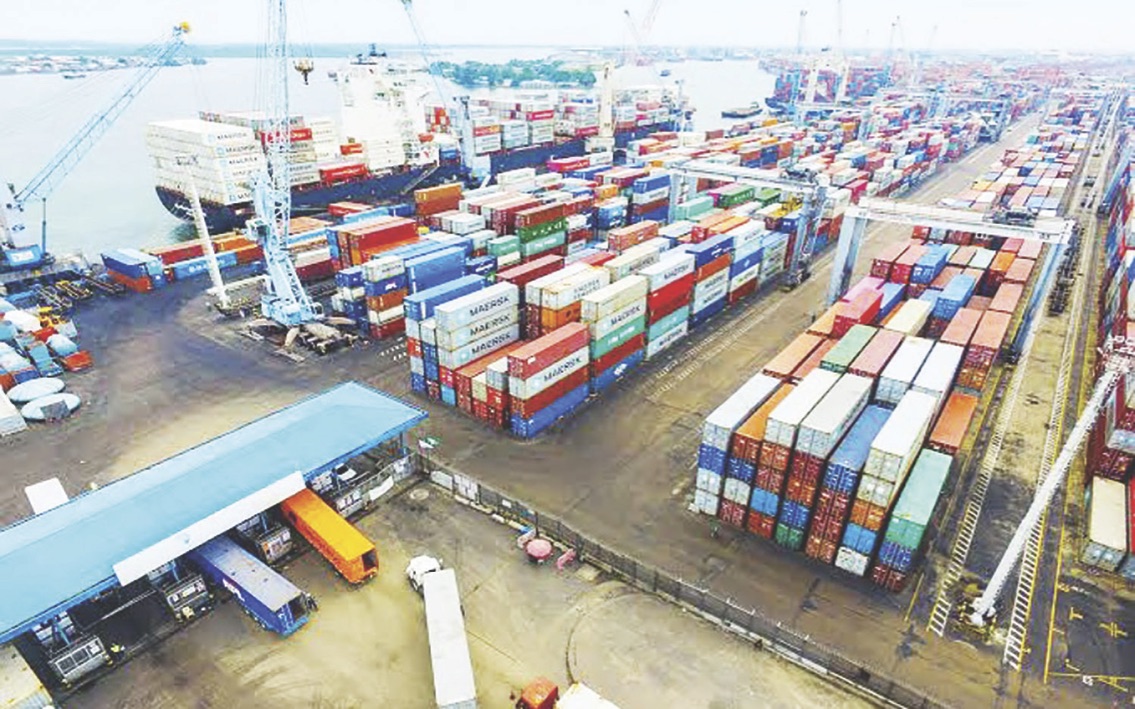
Concerned stakeholders in Nigeria’s freight forwarding and clearing sector have lamented that the persistent hike in tariffs in the nation’s maritime sector is stifling trade, discouraging indigenous participation, and worsening economic hardship across the country.
The stakeholders, who spoke during a media engagement in Lagos yesterday,
unanimously called for an urgent review of the current tariff structure, stricter enforcement of local content laws, and the introduction of new regulations to create a more balanced and inclusive operating environment.
Speaking on behalf of the group, a private practitioner, Kenneth Ofurum, said the current tariff regime has made it increasingly difficult for freight forwarders and importers to operate, noting that many businesses are shutting down due to rising costs.
According to him, government policies must be implemented with a human face, adding that the current approach to revenue generation is placing undue pressure on operators and ultimately being passed on to consumers through higher prices of goods and services.
He added that the hike in tariffs has led to a surge in unclaimed and overtime cargo at the ports, as many importers are unable to meet the financial demands required to clear their goods.
Ofurum also raised concerns over what he described as the systematic sidelining of indigenous operators, alleging that foreign interests are increasingly taking over roles traditionally reserved for Nigerians in the clearing and forwarding value chain.
He emphasised that the industry, which cuts across logistics, documentation, marine services, and legal operations, has historically provided employment for thousands of Nigerians, warning that continued neglect of local content could further worsen unemployment.
The stakeholders therefore urged the government to enforce existing local content laws that prioritize indigenous participation, while also developing new policies that will protect local operators from unfair competition.
They further called for inclusive policy formulation, stressing that critical stakeholders must be carried along in the design and implementation of major reforms, including digital platforms such as the National Single Window.
Also speaking, Managing Director of Harsecom Logistics Limited, Haruna Omolajumo, underscored the need for deliberate government policies that would guarantee local participation in maritime business.
He noted that in other countries, including Ghana, foreign companies are required to partner with local operators, ensuring that a significant share of business activities remains within the domestic economy.
Omolajumo lamented that the absence of such structured policies in Nigeria has allowed foreign firms and concessionaires to dominate the sector, often to the detriment of local businesses.
He also highlighted the sharp increase in port-related charges, revealing that costs which were previously within tens of thousands of naira have now escalated to hundreds of thousands, making it difficult for smaller operators to remain in business.
The stakeholders maintained that while government has the responsibility to generate revenue, such efforts must not undermine trade facilitation or cripple indigenous enterprises.
They called for a balanced approach that supports economic growth, protects local content, and ensures that Nigeria’s maritime sector remains competitive and sustainable.















Leave a comment