



By Chinenye Anuforo
With more than $350 million invested globally, the Rockefeller Foundation’s 2025 Impact Report, Big Bets, Real Results, details how its backing of technology, artificial intelligence, renewable energy and data-driven innovations is widening access to essential services for millions across Africa and other regions, despite a steep drop in global aid flows.
The 113-year-old philanthropic body said it awarded over $350 million, leveraged more than $3 billion in additional funding, and supported $133.1 million in projects across 66 African opportunities, with its programmes collectively reaching an estimated 731 million people worldwide.
The report emphasised the growing role of frontier technologies, African-led innovation, and strategic partnerships in tackling challenges across healthcare, agriculture, food security, and energy access.
One of the major highlights from West Africa is the deployment of advanced laboratory systems and real-time disease surveillance networks aimed at strengthening epidemic preparedness. Under a funding model supported by The Rockefeller Foundation, the Global Fund, Abbott Foundation, and IQVIA, countries in West Africa are expanding laboratory infrastructure, training health workers, and improving outbreak monitoring systems.
According to the report, the initiative has so far detected more than 100 outbreaks across the region, including viral haemorrhagic fevers and other epidemic threats. Over 1,000 laboratory technicians have also been trained, while 11 West African countries have established sentinel surveillance systems to enhance disease monitoring capabilities.
In Ghana, the Foundation’s partnership with the World Food Programme is leveraging technology and data systems to improve school feeding programmes through nutritious and locally sourced food supplies.
The initiative connects schools directly to local food systems while supporting smallholder farmers with tools and capacity-building programmes to meet increasing demand. The programme also uses data assessments to identify supply chain gaps and improve food quality and delivery systems.
Nigeria featured prominently in the report with technology-enabled energy and agricultural projects.
The Foundation revealed that an alliance supported the deployment of Nigeria’s first interconnected mini-grid system by combining solar panels, batteries, solar appliances, and grid energy infrastructure.
The project has already connected about 30,000 Nigerians to electricity, created or improved nearly 14,000 jobs, and unlocked more than $287 million for nationwide expansion of the model.
Also highlighted was Digital Green’s AI-powered FarmerChat platform, which provides personalised agricultural advice to farmers navigating climate-related challenges.
The application currently operates across India, Kenya, Nigeria, Ethiopia, and Brazil, and has recorded more than 1.6 million downloads while processing over 10 million farmer queries.
According to the report, 83 per cent of women using the platform said they were more confident investing in their farms after accessing the digital advisory services.
In Zambia, the report spotlighted Mission 300, an energy initiative designed to connect 300 million Africans to electricity by 2030.
The initiative is helping rural businesses transition from expensive diesel-powered operations to cleaner and more reliable electricity systems.
So far, more than 44 million people have been connected to electricity through projects supported by the World Bank and the African Development Bank, while 30 African countries are advancing National Energy Compacts.
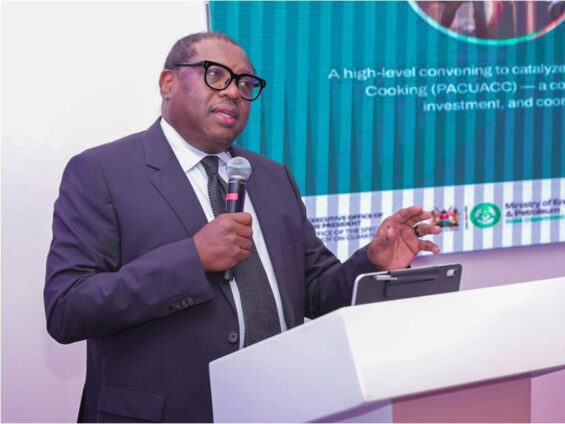
Speaking on the report, William Asiko, Senior Vice President and Head of The Rockefeller Foundation’s Africa Regional Office, said the organisation’s focus is increasingly shifting toward strengthening African capacity and supporting African-led development solutions.
“As The Rockefeller Foundation marks 60 years of its Africa Regional Office, it reflects a broader shift in the future of development. Amid aid cuts, geopolitical tensions, climate impacts, and political change, progress is becoming harder to sustain,” he said.
He added that the Foundation’s latest interventions demonstrate how mission-driven partnerships, innovation, and philanthropic capital can accelerate sustainable development across the continent.
Founded more than a century ago, The Rockefeller Foundation said it has invested over $30 billion globally to advance humanity through innovations in energy, health, food systems, and finance.















Leave a comment