



…Says millions of girls still face education gaps, harmful norms, poor access to information
Daud Olatunji
The United Nations Children’s Fund (UNICEF) has intensified calls for stronger and sustained platforms to amplify the voices of adolescent girls in Nigeria, warning that millions remain constrained by entrenched social barriers, limited opportunities, and inadequate access to information.
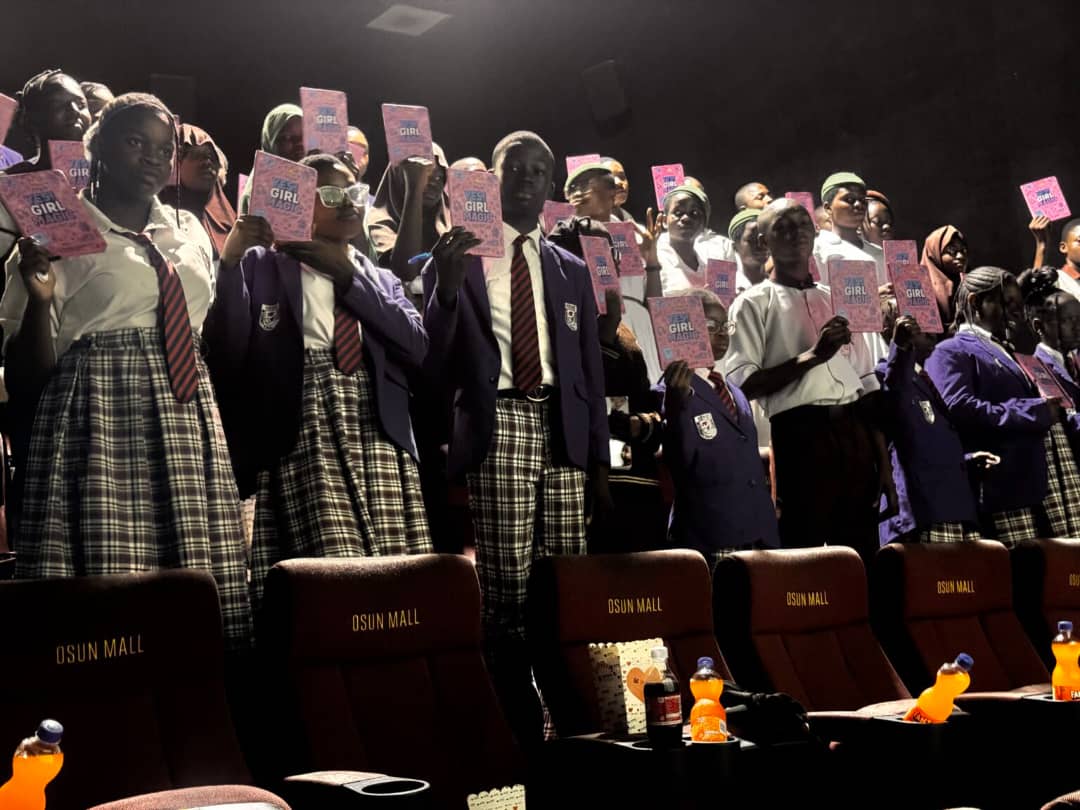
UNICEF’s Adolescent Development Specialist, Ngozi Izuora-Songu, made the appeal on Tuesday in Osogbo, Osun State, during a “Yes! Girl” watch session organised for adolescent schoolgirls and boys.
The event featured the screening of selected episodes of the Yes! Girl podcast in a cinema-style setting, drawing students from three schools who engaged in conversations around gender equality, leadership, and self-expression.
Izuora-Songu said Nigeria’s adolescent population—estimated at over 40 million, with nearly half being girls—continues to face multiple vulnerabilities that hinder their development and participation in society.
According to her, these challenges include limited access to education, early marriage, harmful gender norms, poor access to accurate health information, and lack of safe spaces for expression.
“Millions of girls remain out of school, while many lack safe platforms to express themselves or seek guidance on issues affecting their wellbeing,” she said.
She stressed that initiatives such as Yes! Girl are critical in bridging information gaps and challenging societal norms that silence young girls.
The UNICEF official explained that the podcast uses storytelling rooted in real-life experiences to build confidence among girls, enhance awareness, and inspire leadership.
“The Yes! Girl podcast is a girl-led platform created for adolescent girls. It addresses critical themes such as mental health, education, gender equality, menstrual health, online safety, child protection, and leadership,” she said.
According to her, although the podcast is distributed digitally, the physical watch sessions provide safe environments where adolescents can interact freely, learn, and express themselves without fear of judgment.
“Our key message is simple but powerful: when girls are given a voice, they do not just speak—they lead, inspire, and transform their communities,” she added.
Izuora-Songu urged government institutions, media organisations, civil society groups, and community leaders to deepen support for initiatives that centre on girls’ voices and lived experiences.
She also emphasised the importance of parents, teachers, and community leaders listening more attentively to girls and responding constructively to their concerns.
Also speaking, the Osun State Adolescent Desk Officer, Mrs. Akinlabi, commended UNICEF for its sustained intervention in adolescent-focused programmes in the state, describing the initiative as timely and impactful in addressing developmental gaps among young people.
 ‘
‘ ‘
‘Do you want to share a story with us? Do you want to advertise with us? Do you need publicity for a product, service, or event? Contact us on WhatsApp +2348183319097 Email: platformtimes@gmail.com
We are committed to impactful investigative journalism for human interest and social justice. Your donation will help us tell more stories. Kindly donate any amount HERE











Leave a comment