



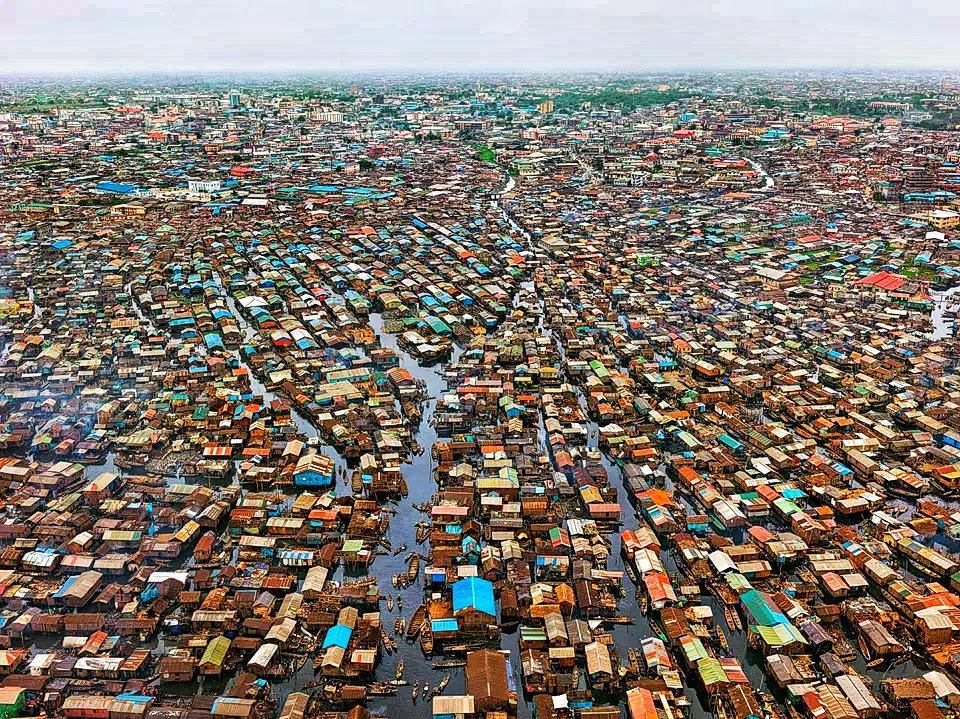
•Millions homeless, rents skyrocket as experts finger insecurity, economic instability
By Maduka Nweke
Nigeria’s housing crisis is deepening at an alarming pace and stakeholders are urging the government to declare an emergency on the sector.
Today, millions of Nigerians are battling homelessness as rising costs and shrinking supply tighten their grip on urban and sub-urban centres.
Every year, the federal government pegs the housing deficit at 20 million units.
Industry players consider the number to be highly underestimated, insisting it is way above that considering the rapid population growth.
Housing schemes, both at federal and sub-national levels, meant to provide succour to the citizens, are highly politicised.
In the end, only those close to influential Nigerians and decision makers, who are not even affected by the ravaging housing crisis, end up accessing and reselling them. In some cases, the houses are unoccupied and left to rot.
From Lagos to Abuja, Uyo to Kano, rents and property prices continue to surge beyond the reach of average earners and have widened the affordability gap.
Experts blame a toxic mix of insecurity, economic instability, inflation and weak housing policies for the worsening situation.
With terrorists razing many villages across the country and literally annexing them, analysts say many suburbanites have been forced to migrate to cities, further compounding the insufficient housing nightmare.
Again, developers are grappling with high construction costs and limited financing which has constrained new supply.
The available houses are being rented at cutthroat prices, providing room for shylock landlords and mean agents to prey on hapless accommodation seekers.
As pressures mount, analysts warn that without urgent reforms and targeted interventions, the crisis could spiral further, threatening social stability and economic productivity nationwide.
For many analysts, Nigeria’s real estate sector stands as one of the most powerful yet paradoxical pillars of the national economy; vast in promise, but weighed down by deep structural inefficiencies.
It is a sector that should be unlocking prosperity at scale, delivering homes, creating jobs, and catalyzing investment, but instead, it continues to mirror the contradictions of the wider economy.
Property prices are soaring at a pace that leaves many bewildered, even as access to affordable housing slips further out of reach for millions.
The national dominating narrative is that the cost of owning or renting a home is rising, fast, steep and unrelenting.
“This is not a coincidence. It is the result of multiple forces. economic, regulatory, demographic, and structural, all colliding at once.
“At the heart of this crisis lies a staggering housing deficit estimated at over 20 million units. Demand continues to far outstrip supply, especially in Nigeria’s rapidly expanding urban centres. Nowhere is this pressure more intense than in Lagos, Africa’s fastest-growing megacity, where an estimated 800 to 1,000 people arrive daily in search of opportunity. Each new arrival adds to an already overheated demand curve, stretching housing availability to its limits”, a builder, Ikechukwu Odionyenfe, told Daily Sun.
Also commenting, a real estate developer, Mark Okechukwu, said demand alone does not explain the relentless surge in property prices.
“The deeper story lies in the systemic inefficiencies that have turned what should be a thriving sector into a constrained and costly ecosystem.
“Poor regulation, limited access to long-term financing, inadequate infrastructure and cumbersome land administration processes have collectively stifled growth and driven up costs.
“One of the most significant bottlenecks is Nigeria’s land ownership framework, governed by the Land Use Act. While originally designed to simplify land access, the Act has instead become a major hurdle. Lengthy procedures for obtaining titles, particularly the infamous Governor’s Consent, add layers of cost, delay, and uncertainty. For developers, time is money. Every delay inflates project costs, which are inevitably transferred to the end buyer.
“Compounding this challenge is the skyrocketing cost of construction materials. Nigeria’s heavy reliance on imported inputs, steel, tiles, fixtures, and finishing products, means that fluctuations in the naira directly impact building costs. As the currency weakens, import costs surge, and developers are forced to revise budgets upward.
“Take cement, for example, a fundamental building block. A 50kg bag that sold for between N6,000 and N7,500 just a few years ago now exceeds N10,000 in many parts of the country. Steel rods, timber, paint, and tiles have followed similar trajectories, in some cases doubling in price. Add to this the rising cost of diesel, transportation, and logistics, and it becomes clear why construction budgets are spiraling”, he said.
Also added to the list of challenges is labour costs, which have also surged.
Skilled artisans, bricklayers, electricians, plumbers, now command higher wages, driven by inflation and the rising cost of living. Even unskilled labour has become more expensive, further pushing up the overall cost of development.
For developers who rely heavily on borrowed funds, the situation is even more precarious. High inflation has forced banks to increase lending rates, making access to credit more expensive. Mortgage rates have climbed in tandem, effectively pricing out a large segment of potential homebuyers. What was once a viable financing option has now become a financial burden for many Nigerians.
This financing squeeze has a ripple effect. Developers, faced with higher borrowing costs, pass these expenses on to buyers. At the same time, prospective homeowners find mortgages increasingly unaffordable, forcing many to delay purchases or seek alternative funding through family networks, cooperatives, or informal savings schemes.
Inflation itself remains a central driver of rising property prices. As the cost of goods and services continues to climb, fuel, food, transportation, construction costs inevitably follow. Developers, anticipating future price increases, often build inflation into their pricing models. The result is a self-reinforcing cycle: prices rise today in anticipation of even higher costs tomorrow.
Urban land scarcity adds another layer of complexity. Prime locations in Lagos, such as Ikoyi, Lekki, and Victoria Island, have become fiercely competitive markets where demand far exceeds available space. This scarcity has fueled speculative pricing, with landowners and investors driving up costs in anticipation of future gains.
The numbers tell a worrisome story. In Lekki Phase 1, a two-bedroom duplex with boys’ quarters can command rents of up to N20 million for a two-year lease. A luxury five-bedroom fully detached duplex near Chevron Toll Gate in Lekki now sells for as much as N500 million, complete with modern fittings and Governor’s Consent title.
In Abuja’s Lifecamp district, a tastefully finished one-bedroom apartment can fetch N100 million, an eye-watering figure for what is typically considered entry-level housing.
Even rental markets are not spared. A standard two-bedroom apartment in accessible parts of Lagos can go for N4 million per annum, depending on location and amenities. For many Nigerians, these figures are not just high, they are prohibitive.
Beyond economics, regulatory inconsistencies continue to undermine the sector’s efficiency.
Laws governing land registration, tenancy, and environmental compliance vary across states, creating a fragmented legal landscape. While land registration laws are intended to ensure transparency and security of tenure, their implementation is often slow, costly, and riddled with bureaucratic hurdles.
Infrastructure deficits further exacerbate the problem. In many developing areas, developers must provide their own roads, drainage systems, water supply, and power solutions. These additional costs, often substantial, are ultimately embedded in property prices. In effect, buyers are not just paying for homes; they are financing entire ecosystems.
Despite these challenges, the Nigerian real estate sector remains resilient, buoyed by strong demand and the enduring appeal of property as a store of value. In times of economic uncertainty, real estate is often seen as a hedge against inflation and currency depreciation. This perception continues to attract investors, both local and international, further fueling demand.
However, this investment-driven demand can also distort the market. Speculative buying, where properties are acquired not for immediate use but for future resale, reduces the supply of available housing and drives prices even higher. In some cases, completed properties remain vacant, held as assets rather than homes.
For policymakers, the implications are clear. Addressing Nigeria’s housing crisis requires more than incremental reforms. It demands a comprehensive overhaul of the sector’s structural foundations. Streamlining land administration, improving access to affordable financing, investing in infrastructure, and promoting local production of building materials are critical steps.
Equally important is the need to strengthen regulatory frameworks and ensure consistent enforcement. A transparent, efficient, and investor-friendly environment would not only reduce costs but also attract the scale of investment needed to bridge the housing gap.
For buyers and investors, navigating this complex landscape requires strategic thinking. Understanding the underlying drivers of price increases, rather than reacting to surface trends, can make the difference between a sound investment and a costly mistake. Location, timing, financing options, and long-term value must all be carefully weighed.
In the final analysis, Nigeria’s rising property prices are not the result of a single factor but a convergence of many. They reflect deeper economic realities, inflation, currency instability, urbanization, as well as systemic inefficiencies within the real estate ecosystem.
Until these underlying issues are addressed, the trajectory is unlikely to change. Property prices will continue to climb, reshaping the dreams of homeownership for millions. The challenge, and the opportunity, lies in transforming this “white elephant” into a truly productive asset, one that delivers not just returns on investment, but roofs over heads and hope for the future.













Leave a comment