



Says Nigeria can dominate Africa’s blue economy
By Steve Agbota
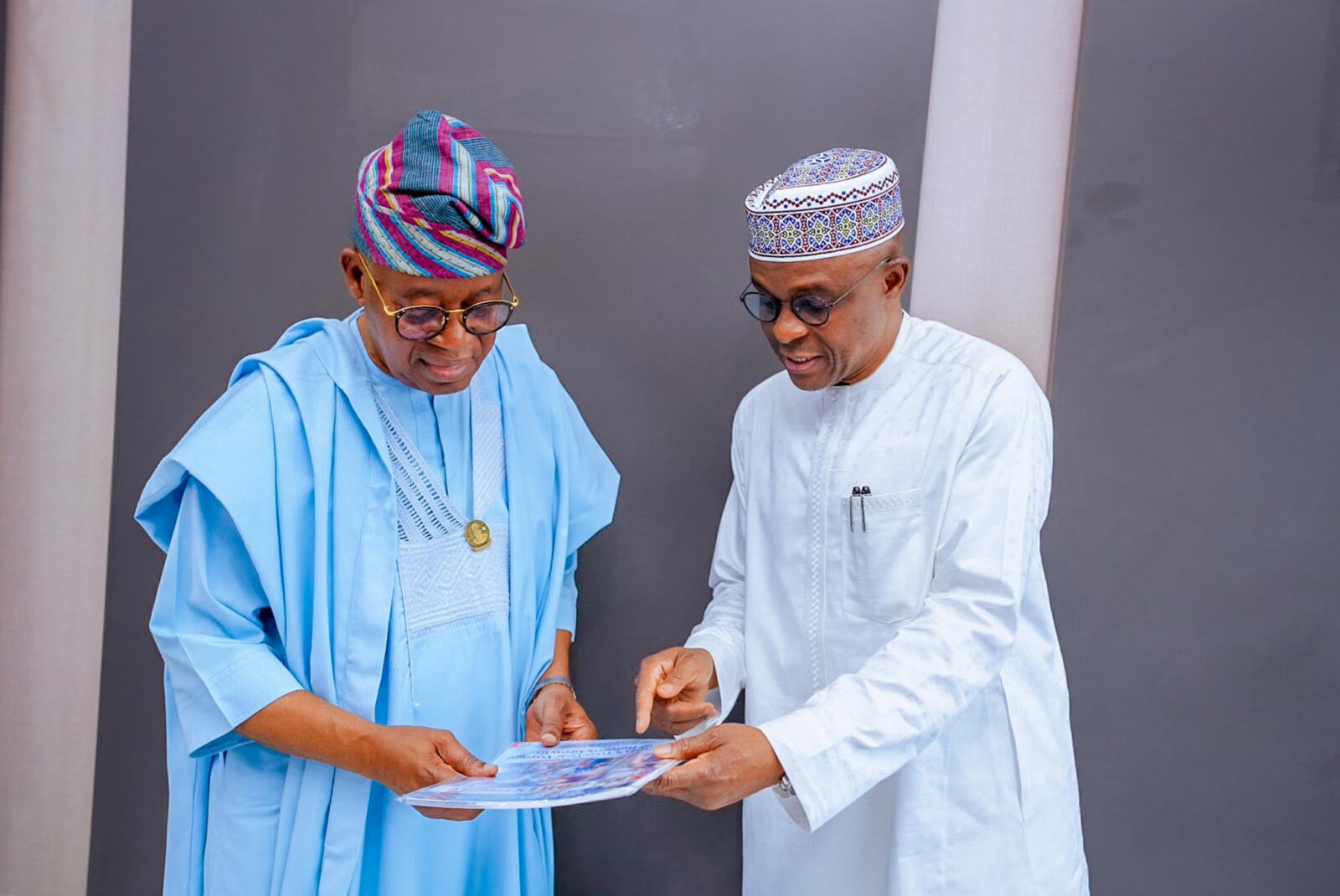
The Managing Director and Chief Executive Officer of the Nigerian Ports Authority (NPA), Dr Abubakar Dantsoho, has attributed the transformation of the nation’s maritime sector to the impact of the Minister of Marine and Blue Economy, Dr Adegboyega Oyetola, and Federal Government reforms.
This comes as Dantsoho assured investors that Nigeria has the capacity to dominate Africa’s blue economy, citing ongoing Federal Government reforms and increased private sector participation as critical drivers of transformation in the maritime sector.
Dantsoho gave the assurance while speaking at the Blue Economy Investment Summit in Abuja, where he stressed that Nigeria’s port system would play a pivotal role in unlocking strategic investments and accelerating economic growth.
He noted that the country must urgently refocus its economic priorities toward fully harnessing its vast marine resources in line with global sustainability goals.
“The time has come for a paradigm shift in the structure of Nigeria’s economy towards the full utilisation of our marine resources. Our port system, if properly harnessed, can serve as a major driver of economic growth,” he said.
The NPA boss explained that Nigeria’s strategic location, large population, and economic strength position it to become a maritime hub for West Africa, comparable to global leaders such as Singapore and Morocco.
“By virtue of our strategic location, market size and economic strength, Nigeria is well-positioned to function as the maritime hub for West Africa,” he added.
Despite these advantages, Dantsoho expressed concern that Nigeria currently handles only about 25 per cent of cargo traffic in the region, even though it accounts for over 60 per cent of West Africa’s GDP.
“It is worrisome that Nigeria, despite controlling over 60 per cent of West Africa’s GDP, handles only about 25 per cent of the region’s cargo traffic. This clearly shows that we have not fully optimised our potential,” he said.
He, however, assured investors that the tide is turning, as the Federal Government, through the Federal Ministry of Marine and Blue Economy, is implementing far-reaching reforms to reposition the sector.
According to him, key initiatives include port modernisation, the deployment of a Trade Single Window, the implementation of a Port Community System, the development of deep seaports, and the full digitalisation of port operations.
“We are implementing key strategic initiatives such as port modernisation, trade single window, port community system, deep seaport development and full digitalisation to reposition our ports for global competitiveness,” he stated.
Dantsoho emphasised that private sector funding remains central to achieving these goals, noting that the NPA is actively encouraging project financing to bridge infrastructure gaps and improve efficiency.
“We are open to private sector participation through project financing. This approach is already improving efficiency and providing access to funding for critical infrastructure,” he said.
He added that the reforms are designed to enhance port efficiency, improve connectivity, reduce freight costs, and boost non-oil exports, ultimately driving revenue growth.
“The ultimate goal is to improve liner connectivity, attract bigger vessels, reduce freight costs, and expand our export base, which will significantly boost revenue generation,” he noted.
Dantsoho stressed that competitiveness in the global maritime industry requires efficient operations, competitive pricing, and strong hinterland connectivity, adding that Nigerian ports must remain adaptive to evolving global shipping trends.
“With sustained commitment to these initiatives, Nigeria’s port system will enter a new phase and emerge as a leading maritime logistics hub in Africa,” he assured.
Also speaking, the Minister of Marine and Blue Economy, Adegboyega Oyetola, said Nigeria’s natural endowments, including its 823-kilometre coastline and extensive inland waterways, place it in a strong position to lead the sector.
“With over 823 kilometres of coastline, extensive inland waterways and a prime location along the Gulf of Guinea, Nigeria is uniquely positioned to harness the immense potential of the marine and blue economy,” Oyetola said.
He added that reforms by the Federal Government have improved coordination, strengthened maritime security, and boosted investor confidence, noting that the sector accounts for over 90 per cent of Nigeria’s international trade by volume.













Leave a comment