



From Uche Usim, Washington DC
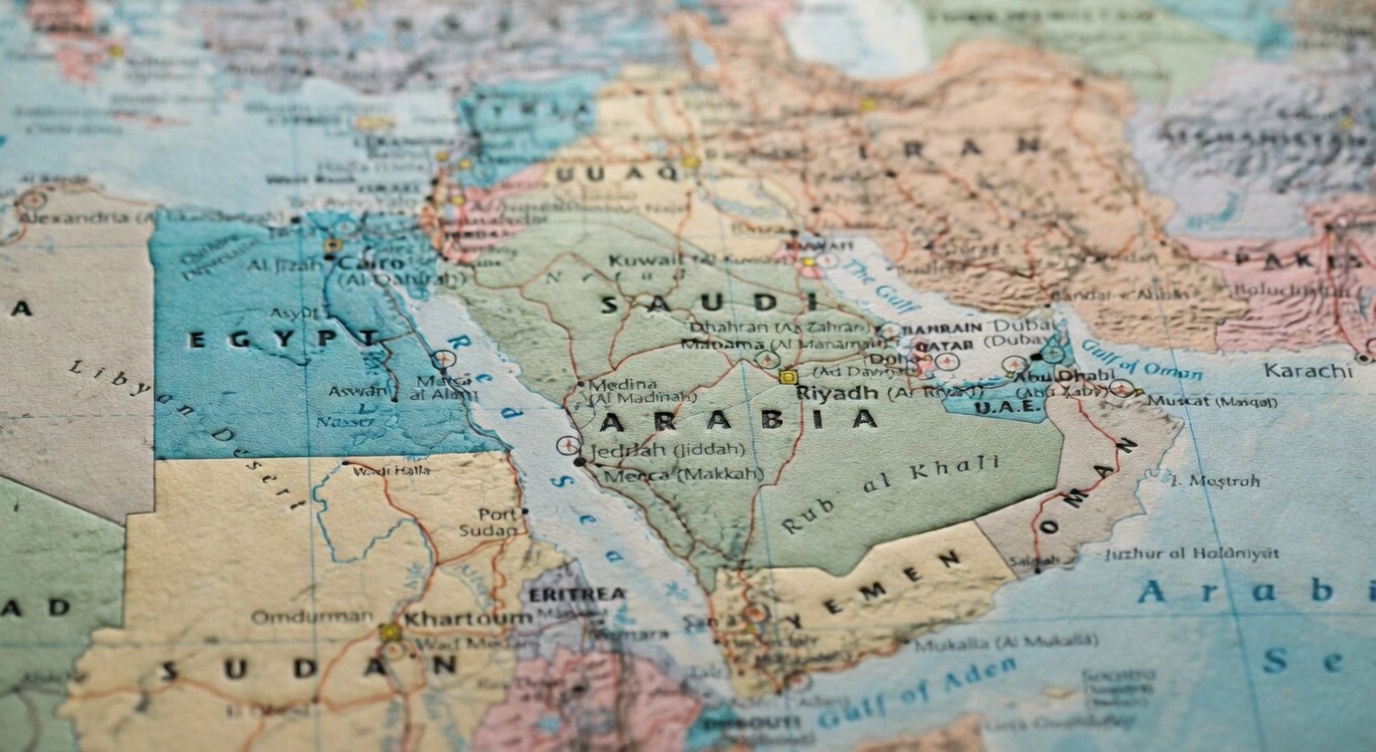
The International Monetary Fund (IMF) has warned that the escalating conflict in the Middle East could significantly slow global economic growth, deepen fiscal strains, and disproportionately hurt vulnerable economies, particularly across sub-Saharan Africa.
Opening the Fund’s Fiscal Monitor press briefing on Wednesday, IMF Managing Director Kristalina Georgieva said the global economy is entering another period of uncertainty, with the fallout from the conflict already rippling through energy markets and supply chains.
“Like all of you, we have been closely watching the events in the Middle East. The war has already caused immense hardship and pain for people in the region and around the world. I pray that peace takes root,” she said.
The IMF projects global growth will ease to 3.1 per cent in 2026, even if the conflict is contained. However, Georgieva warned that a prolonged war, especially one that sustains high oil prices, could trigger a far more severe downturn.
“A prolonged war that pushes up oil prices for an extended period would put a serious dent in global growth,” she said, noting that the Fund has already modelled adverse and severe scenarios in its World Economic Outlook.
Beyond growth, the IMF stressed that the shock is both global and uneven. Rising energy prices are affecting all countries, but the burden is falling hardest on energy-importing nations with limited fiscal capacity, many of them in Africa and other low-income regions.
“This is an asymmetric shock, with the biggest burden falling on countries that import energy and have limited policy space,” Georgieva said. “In many cases, these are low-income or fragile economies.”
She revealed that internal IMF assessments show a large number of sub-Saharan African countries clustered in what she described as a “quadrant of vulnerability”, characterised by high dependence on imports and weak fiscal buffers.
“It pains me that the majority of sub-Saharan African countries are in this quadrant of vulnerability,” she said, adding that the Fund is prioritising support discussions for the most at-risk nations during its ongoing meetings.
Despite the mounting pressures, Georgieva commended policymakers in many developing economies for focusing on reforms rather than immediate financial assistance.
“I was with the African Consultative Group yesterday, and I can tell you the ministers, the central bank governors, didn’t ask for money. They asked for urgent policy advice. They asked for our support to develop further the local currency markets in Africa,” she said.
Still, the IMF expects a wave of financing requests as the crisis deepens. The Fund estimates near-term demand for financial support could range between $20 billion and $50 billion, with at least a dozen countries, most of them in sub-Saharan Africa, likely to seek new programmes.
“We are prepared, and we will move very swiftly to respond to requests from countries,” Georgieva said. “If you need help financially, don’t hesitate. Move fast, because the sooner we act, the more we will protect the economy and people.”
On policy direction, the IMF urged governments to tread carefully, warning against reactive measures that could worsen inflationary pressures or prolong economic pain.
“In the short term, maintaining macroeconomic and financial stability is key,” she said. “While countries are naturally inclined to act boldly in response to a supply shock, my advice is ‘look before you leap.’”
For monetary authorities, the Fund recommends a cautious approach where inflation expectations remain stable. “Wait and see” may be appropriate in some cases, Georgieva noted, while others may require earlier intervention.
Fiscal policy, however, presents a tougher challenge. The IMF warned that rising public debt is rapidly constraining governments’ ability to respond to shocks. Global public debt is projected to exceed 100 per cent of GDP by 2029, levels not seen since the aftermath of World War II.
To preserve credibility, countries must strike a delicate balance between maintaining fiscal discipline and protecting vulnerable populations.
“The good news is that many countries have so far avoided untargeted tax cuts, energy subsidies, and price controls. The not-so-good news is that we are seeing some countries putting in place untargeted measures… such untargeted actions will only prolong the pain of high prices,” Georgieva noted.
Looking beyond the immediate crisis, the IMF chief emphasised that the global economy is undergoing deeper structural shifts driven by geopolitics, climate change, technological transformation, and demographic trends.
“These forces are reshaping the global economy. We must adapt our policies to these long-term trends by accelerating growth-oriented reforms, because these reforms will protect us from the shocks of tomorrow.”
She stressed that building resilient economies requires sustained structural reforms to boost productivity and growth, alongside rebuilding fiscal and monetary buffers once the current crisis subsides.
“A strong economy is the best buffer,” she said.
As countries navigate this volatile landscape, the IMF says it is stepping up its role as a global financial backstop, coordinating with institutions such as the International Energy Agency and the World Bank to maximise support.
The Fund is also refining its internal toolkit, including programme design, surveillance and debt resolution mechanisms, to better respond to evolving risks.
Ultimately, Georgieva framed the moment as both a crisis and a test of preparedness.












Leave a comment