



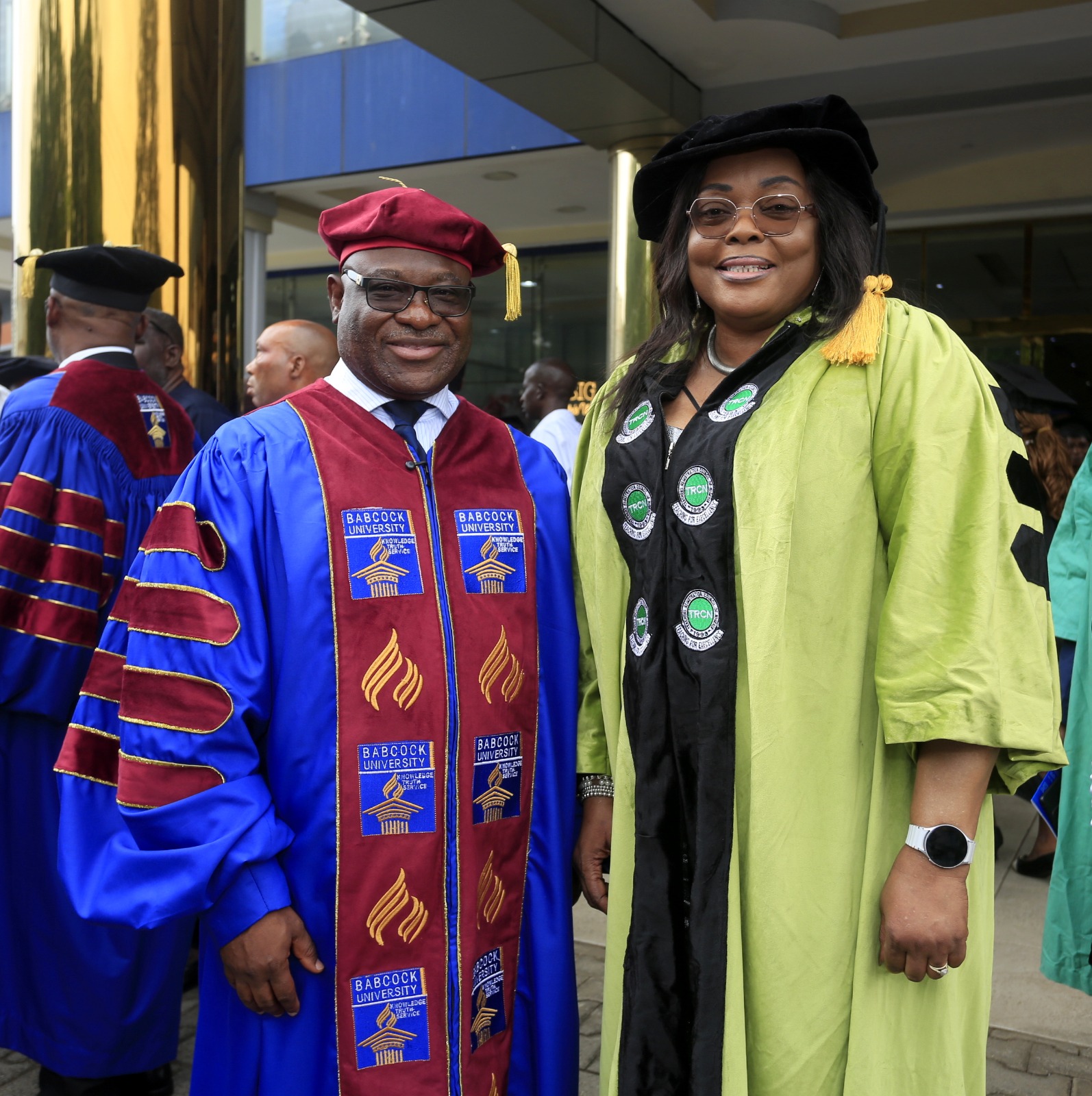
Babcock University has called for a deliberate and accelerated adoption of Artificial Intelligence to address Africa’s developmental challenges, stressing that the continent’s future hinges more on innovation than natural resources.
The President/Vice Chancellor of the institution, Afolarin Ojewole, made the call while speaking at the International Conference on Knowledge, Innovation, and Artificial Intelligence for Sustainable Information Professions hosted by the university.
Ojewole said Africa must embrace emerging technologies to remain competitive globally, noting that ideas, creativity and leadership would play a more decisive role than raw materials in shaping the continent’s future.
“The future of Africa will not be built by resources alone, but by ideas, technology, creativity and courageous leadership,” he said.
He acknowledged concerns over the disruptive impact of AI on jobs and traditional tools but maintained that the technology also presents vast opportunities for innovation and economic growth.
According to him, nations and institutions that generate and effectively deploy knowledge would maintain a competitive edge in the fast-evolving digital economy.
Citing projections by the African Development Bank, Ojewole noted that AI could contribute up to $1tn to Africa’s Gross Domestic Product by 2035.
He added that findings from the 2023 State of AI in Africa Report showed over 2,400 startups across 35 countries are already deploying AI in key sectors, including agriculture, healthcare and education, with Nigeria among leading adopters.
The report indicated that AI-driven innovations such as predictive analytics and smart irrigation have improved crop yields by up to 30 per cent, while diagnostic tools have reduced medical misdiagnosis rates by between 20 and 30 per cent.
It also noted the growing adoption of adaptive learning platforms by millions of students across the continent.
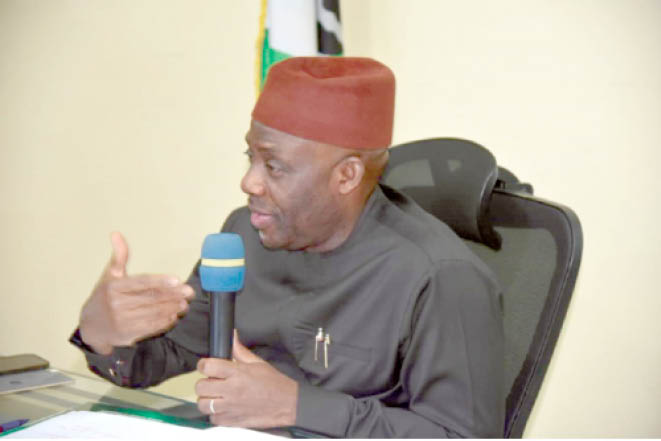
In his keynote address, a governance and innovation expert, Adesoji Tayo, warned that Africa must take a proactive stance in shaping AI development or risk being overwhelmed by its consequences.
“AI will change the work we do. The question is, will we lead the change or be swept away by it?” he said.
Tayo, who also serves as President of the Nigerian Table Tennis Federation, called for inclusive and forward-looking policies to ensure equitable access to AI tools, improved digital literacy and responsible governance of emerging technologies.
He stressed that the relationship between humanity and artificial intelligence had reached a critical stage, requiring urgent and strategic interventions.
Earlier, the Head of the Department of Information Resources Management at the university, Ezewanyi Madukoma, said the conference underscored the institution’s growing role as a hub for AI research and innovation in Africa.
Madukoma expressed optimism that with the right policy framework and leadership, AI could significantly drive sustainable development and enhance Africa’s global competitiveness.
 ‘
‘ ‘
‘Do you want to share a story with us? Do you want to advertise with us? Do you need publicity for a product, service, or event? Contact us on WhatsApp +2348183319097 Email: platformtimes@gmail.com
We are committed to impactful investigative journalism for human interest and social justice. Your donation will help us tell more stories. Kindly donate any amount HERE















Leave a comment