



From Uche Usim, Washington DC
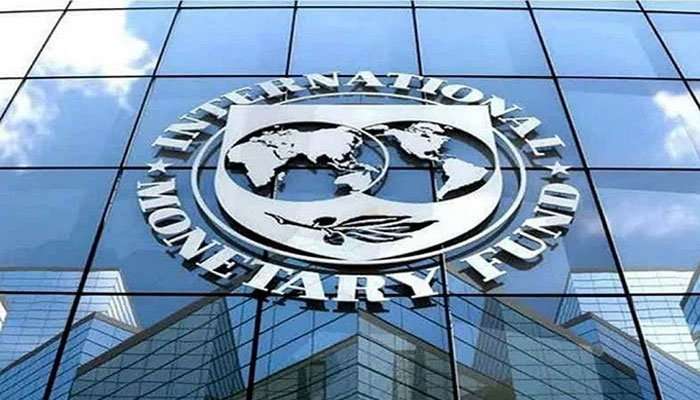
The heads of the International Energy Agency (IEA), International Monetary Fund (IMF) and World Bank Group have raised fresh concerns over the deepening global fallout from the Middle East war, warning of sustained pressure on energy prices, food systems and vulnerable economies.
Meeting under a coordination framework set up in early April, the three institutions said the crisis is already delivering “substantial, global, and highly asymmetric” shocks, with energy-importing nations, especially low-income countries, bearing the heaviest burden.
In a joint statement released after the high-level talks on Monday, the institutions said surging prices of oil, gas and fertilisers have intensified fears around food insecurity and job losses worldwide. While some oil and gas producers in the Middle East are grappling with steep declines in export revenues, countries reliant on imports are facing rising costs that threaten economic stability.
“The impact of the war is substantial, global, and highly asymmetric,” the statement noted, emphasizing the uneven toll across regions and sectors.
A major concern remains the disruption to shipping through the Strait of Hormuz, a critical artery for global energy supply. Although flows are expected to resume eventually, the agencies cautioned that normalisation will take time, with lasting effects on commodity availability.
They added that even after supply routes reopen, the damage to infrastructure and ongoing disruptions could keep fuel and fertiliser prices elevated for an extended period. Shortages of key inputs are also expected to ripple across industries, affecting not just energy markets but agriculture and manufacturing.
Beyond markets, the human and economic toll is mounting. The war has displaced populations, disrupted jobs, and dampened travel and tourism, sectors that may take significant time to recover.
The meeting comes ahead of key reports due for release on April 14, including the IEA’s monthly Oil Market Report and the IMF’s World Economic Outlook, both expected to provide updated insights into the scale of the crisis.
The institutions said they are already ramping up coordinated responses, working closely at both global and country levels. While the IMF and World Bank are preparing financial support for the hardest-hit nations, all three bodies are offering targeted policy guidance to help governments navigate the shock.
They pledged to continue monitoring developments and coordinating interventions, stressing the need for a unified global response to stabilize markets and support recovery.
“Ours is to help lay the foundations for a resilient recovery that delivers stability, growth and jobs”, the statement noted.













Leave a comment