



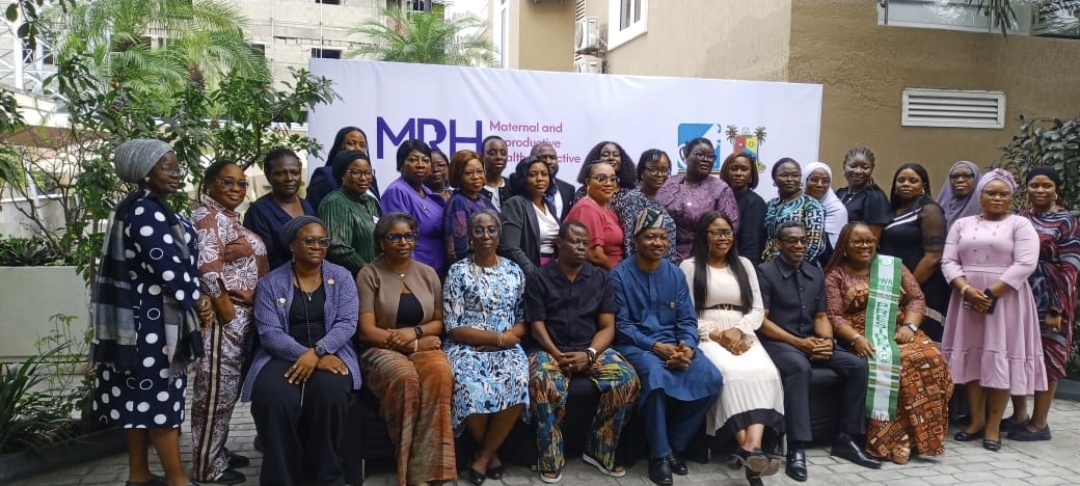
Lagos State health officials and maternal health advocates have called for stronger collaboration, community engagement, tighter regulation of traditional birth attendants and data-driven reforms to reduce maternal deaths across the state.
The call was made during the Stakeholder Engagement Meeting for the Maternal Health Systems Strengthening Initiative organised by Maternal and Reproductive Health Collective (MRHCollective) in partnership with Lagos State health agencies at the Sojourner by Genesis Hotel, Ikeja GRA, Lagos.
Speaking at the opening session, the Permanent Secretary of the Lagos State Primary Health Care Board (LSPHCB), Dr. Ibrahim Akinwunmi Mustafa, described maternal mortality as one of the most urgent public health challenges facing Nigeria and Lagos State. He said Lagos was benchmarking itself against global best practices and acknowledged that current maternal mortality rates remain unacceptable.
According to Mustafa, the causes of maternal deaths are complex and include manpower shortages, inadequate infrastructure, socio-cultural practices and delays in accessing healthcare. He stressed the need for stakeholders to move beyond discussions and embrace coordinated action capable of reducing preventable deaths among pregnant women and newborns.
“Our vision is clear: every woman in Lagos State who gets pregnant should carry her pregnancy to term safely, deliver safely and see her child survive,” he said.
Mustafa also disclosed that the state government was strengthening oversight of traditional medicine practitioners and birth attendants through the Lagos State Traditional Medicine Board to curb the activities of unregistered operators contributing to poor maternal health outcomes.
Executive Director of MRHCollective, Dr. Olajumoke Oke, said the engagement aimed to address fragmentation within the health system and develop sustainable, coordinated solutions. She noted that discussions focused on harmonising maternal health data, improving continuity of care and leveraging digital systems to strengthen coordination across agencies.
Also, speaking, the Permanent Secretary of Lagos State Health District V, Dr. Oladapo Asiyanbi, said the initiative became necessary because government agencies, non-governmental organisations and communities had often worked independently with limited collaboration.
“The call to action is simple: together, everybody achieves more. Separately, everybody achieves less,” Asiyanbi stated.
He explained that stakeholders were adopting a co-creation model that actively involves communities in designing, implementing and evaluating maternal health interventions to ensure they reflect local realities and patient needs.
In addition, the Permanent Secretary of Lagos State Health District III, Dr. Monsurat Adeleke, identified poor health-seeking behaviour, cultural beliefs and patronage of unregistered traditional birth attendants as major contributors to maternal mortality. She said the government was intensifying partnerships with regulatory agencies to clamp down on illegal operators while strengthening referral systems and retraining healthcare workers.














Leave a comment