



By Chinwendu Obienyi
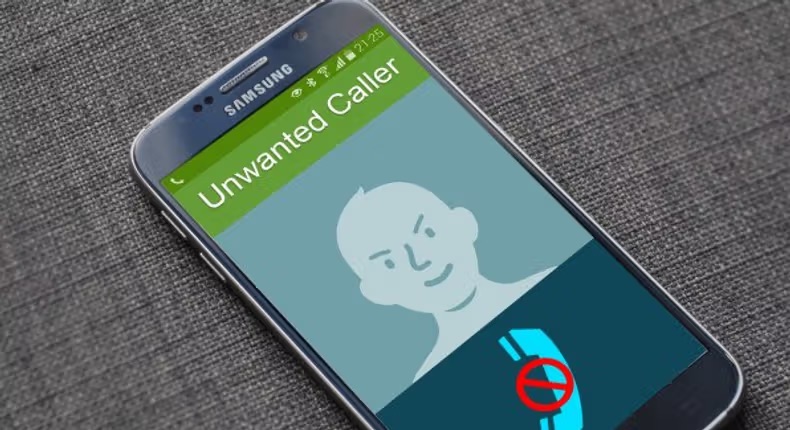
Nigeria has emerged as Africa’s most spammed country, with new data showing that in 2025, 51 per cent of all unknown calls received by users in the country were identified as spam or fraud, data from Truecaller revealed on Tuesday.
This means more than one in every two unfamiliar calls is likely unwanted or potentially malicious.
Truecaller’s latest Spam and Fraud Report stated that a phone call once signified a direct human connection but in Nigeria today, that expectation is increasingly unreliable.
The report highlighted how unsolicited and deceptive calls are increasingly shaping mobile communication patterns across major markets.
The finding places Nigeria 8th globally and firmly at the top of Africa’s ranking, ahead of South Africa (30 per cent), Kenya (about 15 per cent), Ghana (around 11 per cent), and Ethiopia (roughly 9 per cent).
What sets Nigeria apart is not just the volume of spam, but its composition.
The report said, “In many countries, spam is driven largely by financial impersonation scams or aggressive debt collection. In Nigeria, however, telecom and operator-related outreach dominates the landscape, accounting for 35 per cent of all spam calls, the highest concentration of any African market in the report. This is followed by telemarketing and sales calls at 10 per cent, while outright scam attempts make up 6 per cent.
This structure creates a particularly confusing environment for users. When a significant share of unsolicited calls appears to come from telecom-related services or agents, it becomes difficult to distinguish between legitimate network updates, marketing campaigns, and fraudulent attempts.
The overlap effectively blurs the boundary between official communication and deception, increasing the likelihood that users either engage with suspicious calls or ignore important ones.
A similar pattern is seen only in Brazil, where operator-linked outreach also dominates spam activity, suggesting that telecom ecosystems in some large markets may be inadvertently contributing to the problem.
Nigeria’s experience is part of a broader global surge in spam communication. Indonesia leads the world with 79 per cent of unknown calls flagged as spam in 2025, followed by Chile at 70 per cent, a sharp increase from 51 per cent in just six months. Vietnam, Brazil, and India complete the top five most spammed countries globally. In several parts of South America and Southeast Asia, automated systems now generate more than 70 per cent of unknown calls.
The consequences extend beyond inconvenience. Experts warn that the real cost of high spam saturation is a gradual erosion of trust in voice communication itself.
As users become conditioned to ignore unknown numbers, legitimate callers,hospitals, schools, delivery services, financial institutions, and small businesses, struggle to reach their audiences. Missed calls translate into missed appointments, delayed services, and lost economic opportunities.
Reacting to the report, Chief Executive Officer, Truecaller, Rishit Jhunjhunwala, noted that this scale of fraud, impersonation, and automated calling is reshaping how people interact with communication systems. “In some countries, most unknown calls are now spam, which represents a fundamental breakdown in trust. Our focus is to help restore that trust by preventing fraud before it reaches users”, he said.
On March 31, 2026, Truecaller surpassed 500 million monthly active users globally, with more than 150 million outside India.








Leave a comment