



…Seeks private sector investment to close $2.3tn deficit
From Isaac Anumihe, Abuja
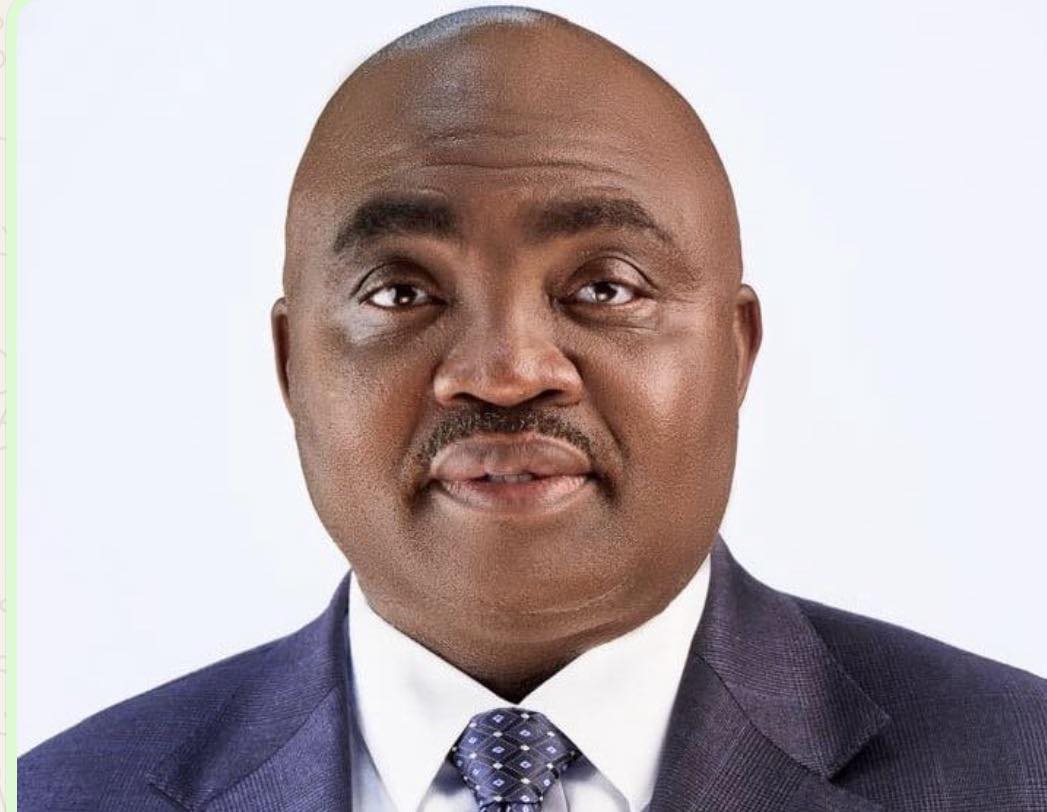
Nigeria requires at least $100 billion in infrastructure investment annually to bridge its widening development gap, but current public sector funding can only cover less than 30 per cent of that need, the Director-General and Chief Executive Officer of the Infrastructure Concession Regulatory Commission, Dr. Jobson Ewalefoh, has revealed.
Ewalefoh warned that the country’s worsening infrastructure crisis can no longer be addressed through traditional government spending models, stressing that Nigeria must urgently unlock private capital to avoid deeper economic setbacks.
Speaking at an infrastructure dialogue organised by DPH in Abuja yesterday, the ICRC boss said Nigeria is currently battling an estimated $2.3 trillion infrastructure deficit cutting across transportation, energy, housing, agriculture, aviation and information and communication technology sectors.
According to him, decades of underinvestment have left critical sectors overstretched, slowing economic growth and weakening productivity nationwide.
“Nigeria has an annual infrastructure investment requirement of about $100 billion, while public spending accounts for less than 30 per cent of that figure.
“Traditional procurement models and dwindling budgets are no longer sufficient. Despite our enormous natural and economic potential, the infrastructure gap remains staggering”, he said.
He added that the Federal Government has increasingly turned to Public-Private Partnerships (PPPs) as a strategic solution to mobilise financing, technical expertise and innovation needed to accelerate infrastructure delivery.
“To bridge this substantial financing gap, Nigeria has strategically embraced Public-Private Partnerships. PPPs represent a pragmatic alternative to conventional procurement models.
“The objective is to enable the government to leverage private capital, technical expertise and innovation to deliver essential public services. They are not merely financing tools; they are powerful catalysts for infrastructure renewal, economic growth and poverty alleviation”, Ewalefoh stated.
He commended the focus of the 2026 infrastructure dialogue, noting that conversations are now shifting from policy discussions to practical execution and financing mechanisms.
According to him, the dialogue’s emphasis on how Development Finance Institutions can de-risk infrastructure projects, alongside the use of capital market instruments such as Sukuk, green bonds and pension funds, is critical to unlocking long-term and affordable financing.
Ewalefoh disclosed that the commission introduced revised PPP guidelines in August last year to improve Nigeria’s investment climate and speed up project approvals.
Under the new framework, ministries can now independently approve PPP projects worth up to N20 billion, while agencies and parastatals have approval powers for projects up to N10 billion. Larger projects, however, would still require Federal Executive Council approval.
“A key reform was the decentralisation of project approval powers to reduce bottlenecks, accelerate infrastructure delivery and attract more private sector participation,” he explained.
Earlier, President of the Abuja Chamber of Commerce and Industry, Dr. Emeka Obegolu, described infrastructure as the backbone of every thriving economy.
He said modern infrastructure remains essential for productivity, industrialisation, investment growth and improved living standards, adding that Nigeria’s greatest challenge today is not identifying infrastructure gaps but finding sustainable financing to close them.














Leave a comment