



…Says harsh policies, cash crunch crippling businesses
…CBN pledges support to boost value-added exports
By Uche Usim
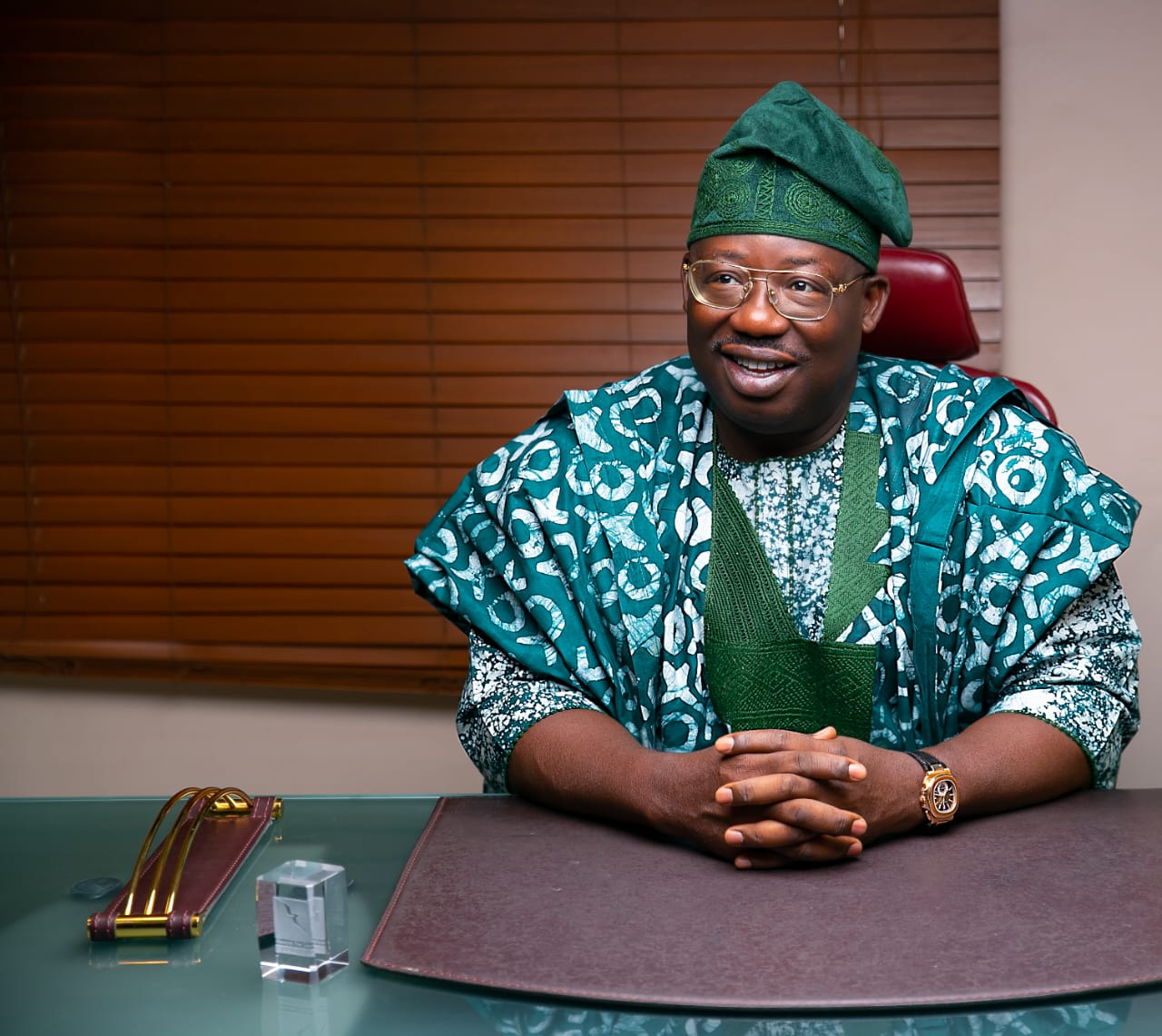
Nigeria’s economic policy direction came under scrutiny at the 10th Bullion Lecture 2026 in Lagos yesterday, as the Chairman, Alliance for Economic Research and Ethics and former President, Nigerian Association of Chambers of Commerce, Industry, Mines and Agriculture, Kelvin Oye, delivered a critique of fiscal priorities, import dependence and perceived structural distortions in the economy.
The lecture, organised by the Centre for Financial Journalism, convened stakeholders across banking, regulation and industry under the theme: “From Resources to Prosperity: How Raw Materials Development, Value Addition and Innovation Can Catalyse Nigeria’s Industrial Renaissance.”
According to Oye, injurious economic policies that open the gates to massive importation are now currently suffocating local farmers and other indigenous producers who are currently drowning in losses.
He noted that unless policies and directives are intentionally tweaked to safeguard local producers, the government will soon find itself in a trap of food insufficiency after funnelling external reserves into importation rather than fortifying local production.
He warned that Nigeria’s import-heavy structure is worsening economic fragility, especially amid global disruptions that are driving up costs and deepening hardship.
“Nigeria is heavily reliant on imports. Global disruptions are increasing costs and hardship, but they also present opportunities. We must look inwards,” Oye said and pushed for a decisive shift toward domestic production and value addition.
He lamented what he described as systemic neglect of local capacity building and an overreliance on raw commodity exports that benefit foreign economies more than Nigeria’s.
“We need to harness our raw materials, not keep exporting them to other countries, thus empowering them and hurting our nation.
“We should pursue value addition,” he stated.
He added that over 50 value addition opportunities remain underexploited, particularly in agro-processing and mining.
Oye argued that while monetary policy appears increasingly predictable, fiscal decisions remain inconsistent and, in some cases, misaligned with development needs.
“The monetary arena is now predictable and investors can take calculated risks. But the fiscal side is dancing around.
“We keep borrowing and borrowing even to pay salaries. We are not prioritising”, he stated.
He also challenged public expenditure patterns, pointing to what he described as questionable budget allocations.
“I checked the budget performance for the air force; they didn’t achieve 50 per cent of release despite fighting insurgency. But the Presidential fleet is far better. Does that add value?” he queried.
He also raised concerns about increasing foreign penetration in domestic markets, particularly in agriculture and mining, where he alleged that external actors are exploiting regulatory gaps.
“There is invasion by foreign players in our market space. They are disrupting our people on the farms and leveraging loopholes,” he said.
He called for stronger regulatory enforcement, even as he criticised the informal mining sector, which he described as disorganised and inefficient, contributing little to national revenue despite Nigeria’s vast mineral resources.
“Artisanal mining is not working,” he said bluntly.
He further highlighted what he called systemic financial distortions, where banks prefer low-risk government securities over lending to productive sectors.
“Banks are buying treasury bills instead of funding the real sector. The economy is rigged against Nigerians. Most of the beneficiaries are few,” Oye added, warning that such trends are deepening inequality.
He noted that Nigeria’s poverty burden remains severe, citing estimates that over 130 million citizens are now multidimensionally poor, a figure he described as unacceptable given the country’s resource base.
In his presentation, the guest lecturer and Director-General of the Raw Materials Research and Development Council, Prof Nnanyelugo Ike Muonso, said the agency is advancing a bill to ensure at least 30 per cent value addition to Nigeria’s raw materials.
He warned the country is losing jobs, income and exchange rate stability due to commodity dependence, citing energy deficits, logistics and capability gaps, and stressed urgent investment in infrastructure to drive industrial growth.
Speaking on behalf of the Central Bank of Nigeria Governor, Yemi Cardoso, the Director, Statistics department of the apex bank, Dr. Usman Moses Okpanachi, assured the Director-General and Chief Executive Officer of the Raw Materials Research and Development Council (RMRDC)
Prof Nnanyelugo Ike Muonso of the needed support to ensure the successful implementation of at least 30 per cent of value-addition to all exports as encapsulated in a bill awaiting Presidential assent.
He called for stronger backing from stakeholders, especially the media, to sustain momentum and public confidence.
Okpanachi highlighted data infrastructure as a critical pillar of the reform drive, stressing that improved data systems would enhance policy effectiveness and economic planning. He added that the bank is set to partner with agencies in the raw materials sector, pointing out that a coordinated de-risking strategy could open up investment opportunities and drive growth in underserved but vital areas.
By the close of the lecture, a common thread emerged: Nigeria’s resource wealth will remain underutilised unless bold and sometimes uncomfortable policy choices are made, especially around value addition, spending priorities and structural reform.












Leave a comment