



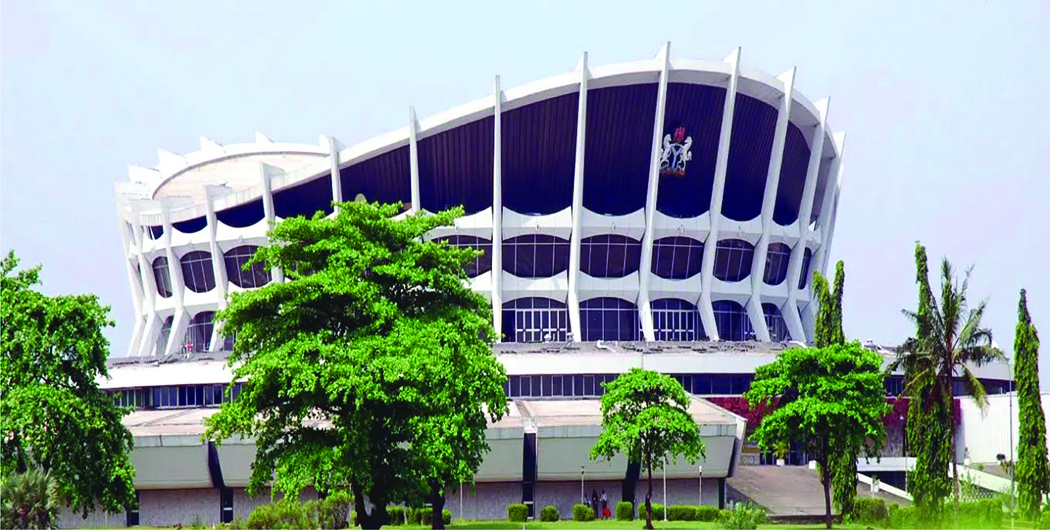
Nigeria’s creative industry, bursting with global hits and billion-dollar potential, stands at a painful crossroads, celebrated abroad, but starved of the funding and policy support it needs at home, writes Festus Akanbi
When global streaming giant Spotify announced in 2024 that Nigerian Afrobeats had crossed over 2.2 billion streams worldwide, many clapped with pride. But behind the applause lies a paradox: the industry generating millions in foreign exchange and placing Nigeria firmly on the global cultural map is being suffocated at home by underfunding, weak policy frameworks, and inadequate infrastructure.
Nigeria’s creative industry, which PwC projects could contribute $15 billion to GDP by 2025, is today valued at $6.4 billion. Nollywood produces over 2,500 films annually, second only to India’s Bollywood, and Nigeria’s music industry grossed over $400 million in 2024 alone through streaming, brand deals, and international concerts.
Yet the entire federal allocation to this sector in recent years has often been below N5 billion annually, less than what a mid-range Hollywood film burns on costumes.
Lofty Promises, Meagre Purse
Successive governments have trumpeted the creative sector as the next frontier after oil. The Goodluck Jonathan administration set aside a N3 billion grant for Nollywood and the wider creative industry, promising to boost film production, distribution, and capacity building. While the announcement raised huge excitement, especially among struggling filmmakers, access to the fund was riddled with bureaucracy and a lack of transparency. A handful of established players reportedly benefited, but many upcoming creatives found the doors firmly shut, leaving the scheme with a mixed legacy of promise and disappointment.
In 2019, the Buhari administration, leaning on diversification rhetoric, launched the Creative Industry Financing Initiative (CIFI) with seed capital of N22.9 billion. The Central Bank of Nigeria (CBN) and the Bankers’ Committee promised long-term, low-cost financing to support film, fashion, IT, and music entrepreneurs.
By 2020, a bolder figure entered the headlines: N75 billion Creative Industry Financing Initiative. To creatives, it sounded like a lifeline. But four years on, it has barely scratched the surface, reaching fewer than 0.01% of the estimated 4.2 million Nigerians employed in the sector. Loan applications are tangled in bureaucracy, with many applicants citing opaque criteria, unrealistic collateral demands, and banks unaccustomed to evaluating creative assets.
Ideas Remain Trapped in Notebooks
That frustration was voiced at the QEDNG Powerhouse Summit in Lagos this year, themed “Financing as Catalyst for a Thriving Creative Economy.” The gathering pulled together policymakers, financiers, media leaders, and creatives.
“The creative industry in Nigeria is one of our most vibrant and resilient sectors,” argued Udeme Ufot, Group MD of SO&U. “Yet despite our abundance of talent and the undeniable economic value of creativity, financing remains the single biggest roadblock. Without sustainable and strategic funding, ideas remain trapped in notebooks, studios shut down, and potential is lost.”
Ufot called for “smart, flexible, and production-driven financing” designed to protect intellectual property and scale creative enterprises. He pushed for policies that reward innovation and a sector-wide investment fund. His words echoed the broader industry complaint: government treats creativity as a side attraction, not as the economic engine it already is.
Banks and Creatives at Crossroads
The event also underscored a cultural clash between creators and financiers. Dr. Biodun Ariyo, Group Head at ProvidusBank, reminded participants that “financial houses are a business, not Red Cross.” His blunt statement carried a clear message: banks are willing to lend, but only to structured businesses with scalable revenue models.
Here lies a vicious cycle. Many Nigerian creatives lack formal business training or financial literacy. They struggle to present bankable proposals that reassure lenders. In turn, financial institutions often fail to appreciate the peculiarities of creative work, where intellectual property and brand reputation are assets as real as land or machinery. Without bespoke financial products, both sides remain locked in suspicion.
Founder of Africa Soft Power Group, Dr. Nkiru Balonwu, crystallised the problem: “The issue is not absence of capital, but lack of scalable, structured investment frameworks.” She urged creatives to stop seeing themselves as “just artists” and embrace the role of business leaders and institution builders.
Global Gains, Local Losses
Nigeria’s cultural exports tell a story of success achieved in spite of policy neglect. In 2024, Burna Boy, Wizkid, and Tems sold out arenas from London to Los Angeles. Nollywood titles topped Netflix charts across Africa and diaspora markets. TikTok and YouTube teemed with Nigerian comedy skits drawing billions of views.
Yet much of the real value circulates outside Nigeria. Streaming royalties are paid in foreign accounts. Many big film productions relocate shoots to South Africa or Ghana, where the infrastructure is better and the incentives stronger. Nigerians make the content; others bank the profits.
According to UNESCO, Africa’s creative sector could generate $20 billion annually and create 20 million jobs if fully harnessed. Nigeria, with its population of over 220 million, should be leading this charge. Instead, it remains hamstrung by erratic electricity, high internet costs, multiple taxation, and weak intellectual property enforcement.
History of Neglect
The contradictions are not new. For years, the government has dangled promises without follow-through. In Buhari’s time, official rhetoric framed the creative sector as one of the twin engines (alongside agriculture) for diversifying Nigeria from oil. Yet little tangible funding followed.
Current Minister of Arts, Culture, Tourism, and Creative Economy, Hannatu Musawa, has adopted a more ambitious tone. She boasts of a $200 million financing deal secured with Afreximbank, aimed at providing capital for filmmakers and digital innovators. Her ministry has also launched the Creative Leap Acceleration Programme (CLAP) with Lebara Nigeria, promising equitable loans and affordable internet access.
These are important steps, but critics warn they risk going the way of earlier schemes: highly publicised but shallow in reach.
“The sector doesn’t need another slogan,” one filmmaker said at the Lagos summit. “It needs reliable power, modern studios, functional training schools, and access to real credit without collateral we can never provide.”
Youth Unemployment and Untapped Potential
The stakes are enormous. Nigeria’s youth unemployment rate hovers at over 40%, one of the highest in Africa. The creative sector already employs over 4 million Nigerians and could absorb millions more. Nollywood alone supports an ecosystem of scriptwriters, actors, cinematographers, editors, marketers, and costume designers. Music employs producers, DJs, promoters, and digital marketers. Fashion sustains tailors, models, and fabric suppliers.
PwC estimates the Nigerian entertainment and media market will grow at 8.8% annually, one of the fastest rates globally. If well-financed, the sector could rival oil as a foreign exchange earner, diversify national income, and deepen Nigeria’s global influence.
Yet many creators still self-fund projects, borrow from friends, or rely on diaspora investors. Training institutions are outdated. Piracy remains rampant. And multiple government agencies demand fees without providing enabling support.
South Africa, with a smaller population, has managed to turn its film industry into a magnet for international productions through structured tax rebates and world-class studios in Cape Town and Johannesburg. The UK, battered by COVID-19, protected its creative workforce with a £750 million relief package, preserving jobs and safeguarding intellectual property.
Nigeria has done the opposite, celebrating individual breakthroughs without creating the systemic conditions for mass success. “We are surviving, not thriving,” said a Lagos-based fashion entrepreneur. “Talent we have, but policy is missing.”
Towards a Real Creative Economy
What, then, must change? Industry experts propose three urgent steps: Establish a Creative Investment Fund, a dedicated, transparent pool backed by government, banks, and private investors to finance production, distribution, and infrastructure; Tailored Financial Products, loans and credit schemes designed for creative assets, not just traditional collateral and Policy and Infrastructure Support, from reliable electricity and broadband to piracy enforcement and training academies.
Just as importantly, creatives themselves must invest in financial literacy and business discipline, building trust with investors and showing they can manage funds.
As Ufot argued at the summit: “Financing must be smart. It must protect intellectual property, stimulate job creation, and scale enterprises.” The consensus was clear — without structural funding, Nigeria will keep producing talent that enriches others while its economy remains on the sidelines.
Nigeria’s creative sector has already proven its resilience. With almost no formal support, it has taken Afrobeats global, made Nollywood a cultural export, and built a thriving ecosystem of digital creators. Imagine what it could achieve with real, sustained investment.
But imagination is not enough. As things stand, Nigeria exports beats and movies but imports dollars and infrastructure. Every arena concert abroad is both a triumph and a reminder of what is being lost.
The choice before policymakers is simple: keep making speeches about diversification while underfunding the one sector already diversifying the economy, or finally back words with resources. The creative goldmine exists; whether Nigeria decides to mine it or watch others take the treasure will define the next decade.













Leave a comment