



Femi Akintunde-Johnson
T
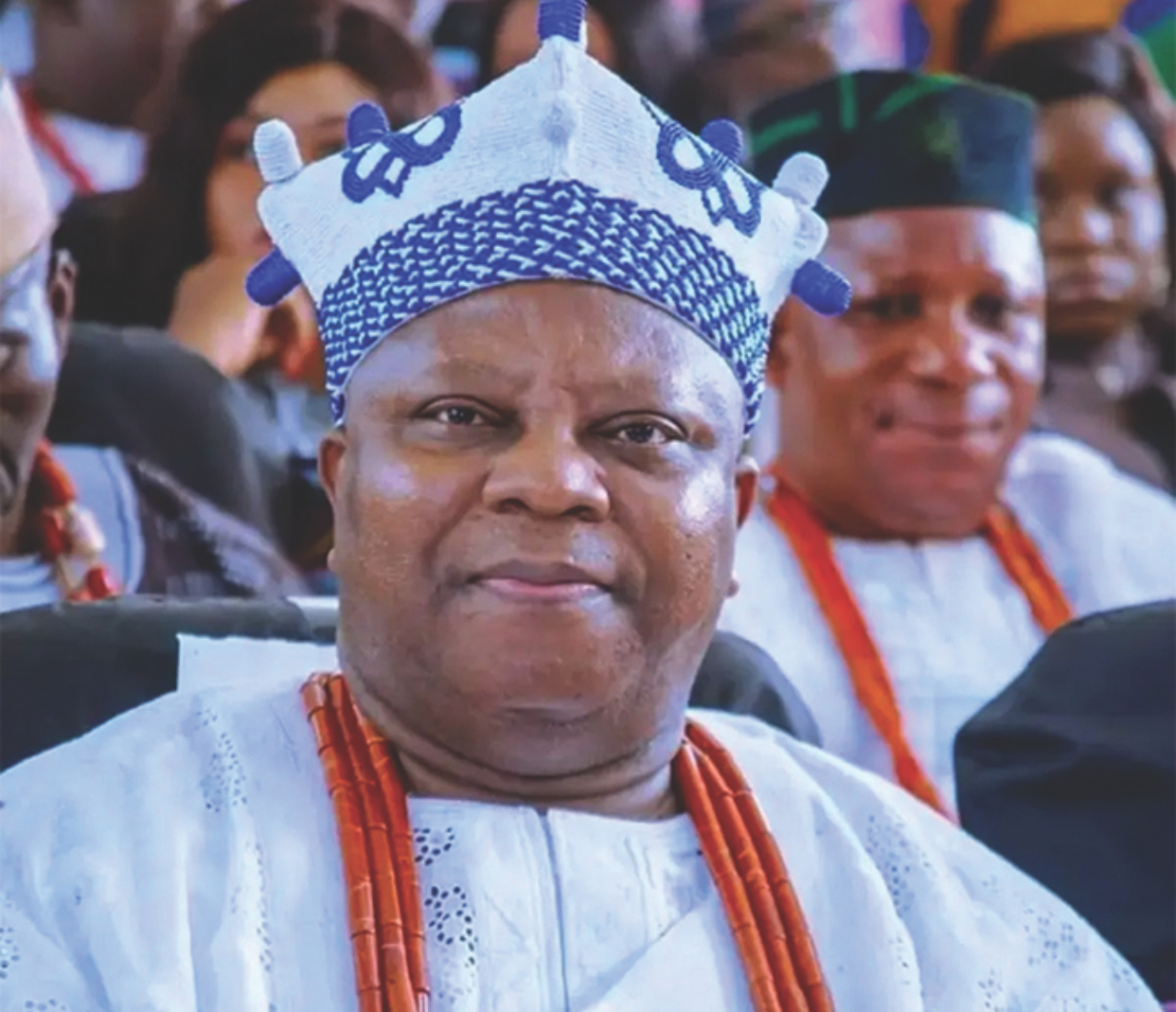
he news broke this week with the startling bluntness of a gavel on oak: Oba Joseph Oloyede, the Apetu of Ipetumodu in Osun State, sentenced to fifty-six months in a United States prison. The charges? A $4.2 million COVID-19 relief fraud. The monarch, who pleaded guilty in April, will not only serve close to five years behind bars in Ohio but will also repay more than $4.4 million to victims of his scam. His home in Medina, Ohio – an otherwise quiet suburb – now stands forfeited to the American government.
It is the sort of headline that stiffens the spine, pricks the conscience, and feeds the stereotype. A Nigerian monarch – one who should embody the dignity of ancestry and the moral force of tradition – is instead listed among convicts for criminal ingenuity. The image is painful, not only for the small town in Osun that in 2019 wrapped his coronation in pomp, but for a country that already wrestles with a stubborn reputation for duplicity and fraud.
But Oba Oloyede is not an isolated cautionary tale. The annals of recent history hold other names, other crowns, similarly soiled.
In 1998, in Boston, a certain Abdulrasheed Adewale Akanbi – now known as the Oluwo of Iwo – was arrested for attempting to cash a stolen Boeing cheque worth nearly a quarter of a million pounds. Convicted (15-month jail time) and deported, he returned more than a decade later to U.S. soil, this time with wife and child, attempting to sneak past immigration with forged papers. Again, he was caught. Again, deported. Twice bruised, twice expelled, forever banned. Yet today he sits atop a Yoruba throne, offering counsel to thousands, draped in the legitimacy of tradition. Overwhelmed with shame, the town’s kingmakers sought valiantly to dethrone him – a strangely futile effort. Till date!
Then there are the “princes” and sons of the palaces – sometimes literal, sometimes in the flamboyant styling of internet fraudsters – who have been paraded by American and European prosecutors as architects of elaborate scams. He was sentenced to 33 months in a federal prison. In 2021, the U.S. Justice Department unsealed charges against a self-described Nigerian prince, the son of a traditional ruler, for bilking the elderly through email compromise schemes. Though not himself a crowned monarch, his bloodline ties the scandal to the palace.
These are not everyday stories. The overwhelming majority of Nigeria’s monarchs live quiet, often austere lives, managing land disputes, presiding over cultural festivals, and attempting to coax some dignity out of an environment that often bypasses them. Yet the few scandals that do emerge cast a long, ugly shadow. They touch the sore spot of our national psyche: the ease with which fraud seems to seep into every class, every calling, every sanctum.
Traditional rulership was once our moral compass. In many communities, the king was priest, judge, and father; the crown symbolised restraint, justice, continuity. Personages like Oba Adesoji Tadeniawo Aderemi, the Ooni of Ife who strode both throne and state house with rare dignity; Oba Adeniji Adele of Lagos whose tenure in the 1950s radiated grace and balance; the scholarly Emir Muhammadu Sanusi I of Kano; or the Olowo of Owo, Oba Olateru Olagbegi, with his famed cultural splendour – these were monarchs who entrenched grandeur, charisma, reverence, and adoration. Even into the 1970s, the stool was still a repository of dignity and cultural ballast. But in the relentless scramble of modern Nigeria – oil windfalls, electoral violence, state capture, and systemic corruption – the aura of the palace has dulled. To now see its scions in foreign dockyards, chained to charges of fraud and deceit, is to feel the last safe space slipping.
The danger is larger than one man’s disgrace. It is the creeping institutionalisation of criminality. For decades, advance-fee scams were seen as the pastime of idle boys with cheap laptops, the shame of internet cafés. Now, when a custodian of heritage – a monarch enthroned in ritual and celebrated in drums – is fingered in million-dollar rackets abroad, the boundary between hustler and king begins to blur. Fraud graduates from street-corner opportunism to palace-endorsed enterprise. The moral anchor rusts.
What message does this send to the restless youth in Ipetumodu or Iwo? If the oba himself could be clever enough to siphon funds from foreign treasuries, why should the young apprentice hesitate before drafting the next phishing mail? If the palace no longer blushes, what shame is left for the alley?
Beyond the borders, the consequences are equally corrosive. Nigeria, already tarred as the land of “419” in the global imagination, now sees her monarchs dragged into the same pit. Diplomats and investors shake their heads: if even the kings are fraudsters, is there any institution left unsullied? The brand called Nigeria shrivels further.
It is tempting, of course, to dismiss these monarchs as bad apples. And indeed, they are not the norm. But the throne is not an ordinary seat. It is an emblem. Its fall resonates more loudly than any single politician’s theft or any single banker’s embezzlement. The oba is supposed to embody the people’s higher self, the distilled values of a community’s history. When he is found guilty of stealing in foreign courts, the people themselves are mocked, their traditions reduced to a comic relief on the international stage.
So, what then is to be done? Shall we abandon the institution, strip it of relevance, and leave it to wither as a relic of bygone eras? Or shall we demand more, much more, of those who ascend the stool? Communities must wake up to the weight of their choice. A crown is not a fashion accessory. It is not a political reward for diaspora wealth. It is a sacred trust. When next a town gathers to choose its oba, it must not be dazzled by degrees, dollars, or foreign mansions. It must ask: what is the man’s record? Where has he walked? With whom has he traded? What is his name in the courts of men?
If we do not ask these questions, we risk enthroning not kings but criminals, not priests but pretenders. And we risk institutionalising the very fraud that has already weakened our national backbone.
Oba Oloyede will return from America in a few years, older, chastened perhaps, but forever branded. His community will face a dilemma: embrace him as oba still, or recoil in shame. Yet the larger dilemma rests with Nigeria itself. How long can we watch the slow corrosion of the throne without demanding a higher purity?
The palace was meant to guard us against chaos. If it now opens its gates to fraud, then we must ask, with trembling voices: what shall guard the palace?













Leave a comment