



By Moses Akaigwe
As fuel costs fluctuate and concerns about the environment increase, it is helpful to be familiar with all the ways proper maintenance can help you save fuel. Here are a few tips as articulated by Ford Motor Company.
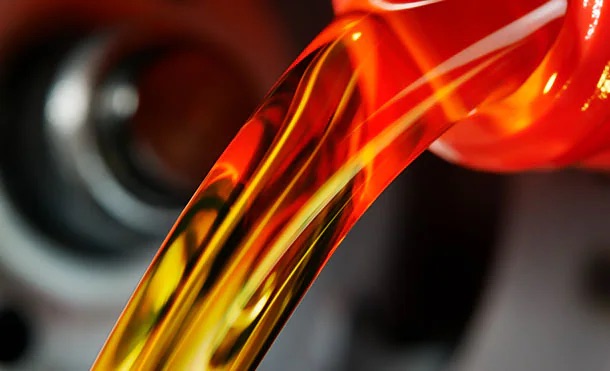
Using the right oil
You can improve your gas mileage by up to two percent by using the manufacturer’s recommended grade of motor oil.* Your recommended grade can be found in your Owner Guide, but it can vary depending on your driving conditions. Our experts have a full line of Motorcraft® oil and filter products on hand and will use the correct grade for your vehicle every time you come in for an oil change.
Keep tyres properly inflated
You can improve your gas mileage by up to 3.3 percent by keeping your tyres inflated to the proper pressure. Under-inflated tyres can lower gas mileage by 0.3 percent for every one PSI drop in pressure of all four tyres.
Properly inflated tyres are safer and last longer. The operating vehicle tyre inflation pressure that Ford Motor Company certifies and recommends for normal use is found on a Certification Decal or Tyre Decal, usually located on the driver’s door or door pillar, or the glove box.
Make sure not to exceed the recommended number, though, because overinflated tyres can be just as bad.
Keep engine tuned
Fixing a car that is noticeably out of tune or has failed an emissions test can improve gas mileage by an average of 4 percent*. But here’s the real bonus – if our experts find a malfunctioning oxygen sensor, replacing it can improve your mileage by as much as 40 percent.
Other regular maintenance
Wheel alignments, shock and strut inspections, and replacing worn fuel filters or spark plugs can all help optimize your fuel economy too. Together, all these vehicle maintenance operations can improve your mileage by up to 25 percent.
Drive to maximise fuel economy
*Combine trips. Making lots of short trips means you’re driving with your engine cold. And that uses more fuel than making one long trip with an engine that’s warmed up. Try combining your short trips around town as much as possible to optimize your fuel economy.
*Drive sensibly. Aggressive driving (speeding, rapid acceleration and braking) wastes fuel. It can lower your fuel mileage by 33 percent at highway speeds and by 5 percent around town. Sensible driving is also safer for you and others, so you may save more than just gas money.
*Observe speed limit. While each vehicle reaches its optimal fuel economy at a different speed (or range of speeds), fuel mileage usually decreases rapidly at speeds above 100 kph (approximately 62 mph).
*Remove excess weight. Avoid keeping unnecessary items in your vehicle, especially heavy ones. An extra 100 pounds or 45.5 kilogrammes in your vehicle could reduce your miles per gallon (mpg) or kilometers per liter by up to 2 percent. The reduction is based on the percentage of extra weight relative to the vehicle’s weight and affects smaller vehicles more than larger ones.
*Avoid excessive idling. Idling reduces average fuel economy.Cars with larger engines typically waste more fuel at idle than do cars with smaller engines. If you know you’ll be stopped for a while, it’s actually better to turn off your engine instead of idling.
*Use cruise control Using cruise control on the highway helps you maintain a constant speed and, in most cases, will save fuel
*Use overdrive gears. When you use overdrive gearing, your car’s engine speed goes down. This saves fuel and reduces engine wear.
Battery Service
Brake Service
Collision
Driving















Leave a comment