





April 22, (THEWILL) — Brent crude hovered near $98.51 per barrel on Wednesday, as global oil markets steadied in response to the decision by US President, Donald Trump, to extend a ceasefire with Iran, a move that has eased immediate supply fears but left investors cautious amid lingering geopolitical uncertainty.
Prices, which had earlier surged on renewed optimism, settled into a narrow range as uncertainty lingered over the durability of a fragile ceasefire and its implications for global energy supply.
Brent crude, the international benchmark, edged up marginally by 3 cents, or 0.02 percent, to $98.51 per barrel as of early morning trading in Saudi Arabia, after briefly touching a session high of $99.38.

Meanwhile, US West Texas Intermediate (WTI) crude slipped slightly by 13 cents, or 0.14 percent, to $89.53 per barrel, following an earlier peak of $90.71.
The muted price movement comes on the heels of a stronger rally on Tuesday, when both benchmarks gained approximately 3 percent amid initial optimism surrounding diplomatic efforts in the Middle East.
At the centre of market sentiment is the announcement by US President Donald Trump to indefinitely extend a ceasefire with Iran just hours before its expiration. The move is intended to create room for continued negotiations aimed at ending a conflict that has already resulted in significant loss of life and economic disruption globally.
However, the extension appears to have been made unilaterally, raising questions about whether Iran or key regional stakeholders, including Israel, will reciprocate. As of the time of reporting, there has been no official confirmation from Tehran’s top leadership endorsing the ceasefire extension.
Iranian-affiliated Tasnim News Agency reported that Tehran neither requested nor formally accepted the extension, reiterating its stance that it would resist US naval actions in the region.
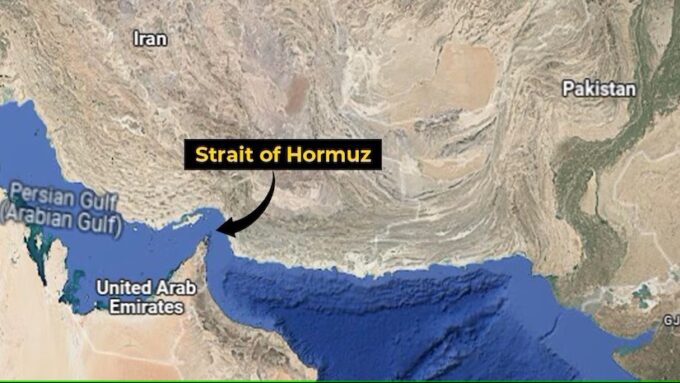
A major concern for the global oil market remains the continued disruption in the Strait of Hormuz, a critical maritime corridor through which roughly 20 percent of the world’s oil and liquefied natural gas supplies transit. Shipping data indicates that traffic through the strait remains severely constrained, with only three vessels recorded passing through in the past 24 hours.
















Leave a comment