



From Uche Usim
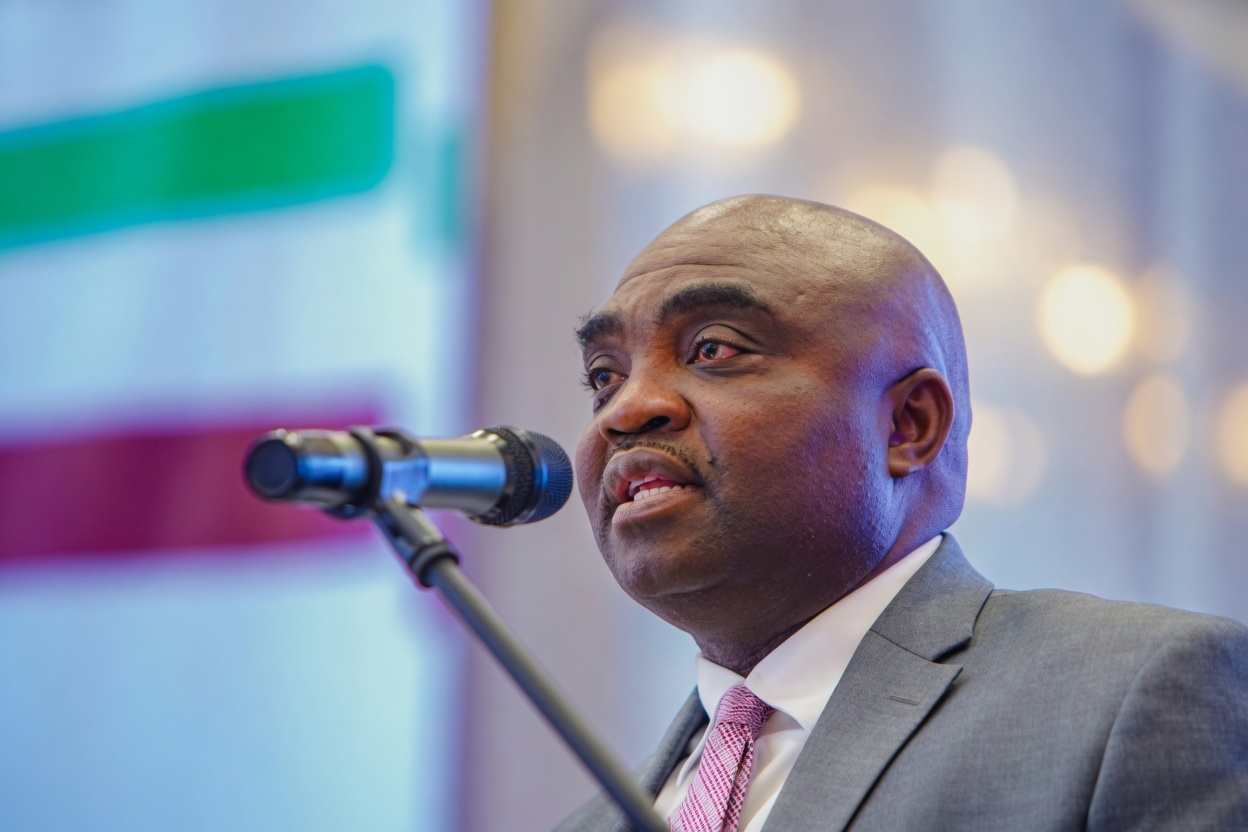
To close Nigeria’s wide infrastructure gap, estimated at $2.3 trillion, the director-general of the Infrastructure Concession Regulatory Commission (ICRC), Dr Jobson Ewalefoh, has revealed that the federal government is leaning heavily on private sector capital to bridge funding shortfalls and accelerate project delivery.
Speaking on the sidelines of the Global Infrastructure Facility, a G20 initiative, at the IMF-World Bank Spring Meetings in Washington yesterday, Ewalefoh said the country requires about $100 billion annually over the next 23 years to meet its infrastructure needs.
He stressed that government budgets alone cannot carry the burden.
He added that current fiscal realities make public-private partnerships (PPPs) the most viable path forward.
He explained that Nigeria’s National Integrated Infrastructure Master Plan projects that about 70 per cent of funding will come from private investors, underscoring the urgency of building a strong pipeline of bankable projects to attract global capital.
“Budgetary allocations fall short, making private sector participation through PPP critical for infrastructure development nationwide,” Ewalefoh said.
According to him, discussions at the global forum highlighted the need for PPP frameworks that reflect local realities, including political risks, macroeconomic conditions, and the limited appetite for long-term capital in developing markets.
“PPP models must reflect local realities, including investment risks, political environment, and limited appetite for long-term capital,” he noted.
Despite these challenges, Nigeria is positioning itself as a prime investment destination. Ewalefoh pointed to the country’s large and growing population, estimated at about 250 million, and ongoing reforms aimed at improving the business climate and boosting investor confidence.
He assured potential investors of strong legal protections, emphasising the government’s commitment to the rule of law and contract sanctity.
“We have strong legal frameworks protecting investments, with policies designed to guarantee returns and reduce perceived risks,” he said.
Ewalefoh added that recent reforms have begun to yield results, attracting increased investor interest and dismantling longstanding barriers that previously hindered capital inflows.
“We are seeing increasing investor interest following engagements, driven by reforms that have enhanced transparency and improved the investment climate,” he said.
Sectorally, he identified energy and transport as the most capital-intensive, requiring about $759 billion and $595 billion, respectively. Other critical areas include ICT, agriculture, healthcare, and education, all of which demand sustained investment to unlock economic growth.
He reiterated that PPPs offer a practical solution to Nigeria’s funding constraints by reducing reliance on limited public resources while enabling long-term, sustainable financing through private investment recovery mechanisms.
“PPP provides a pathway to sustainable infrastructure financing while easing pressure on government budgets,” he said.
Ewalefoh expressed optimism that ongoing engagements with global investors and development partners would unlock significant capital flows, fast-track project execution, and move Nigeria closer to closing its infrastructure gap.
He also commended President Bola Tinubu for reforms that are “working”, particularly those aimed at creating an enabling environment for PPPs.















Leave a comment