



By Lukman Olabiyi
The Lagos State Government has announced that it generated total revenue of ₦2.6 trillion in 2025, with Internally Generated Revenue (IGR) rising to ₦1.87 trillion, as the state deepened reforms in tax administration, debt management and digital revenue collection.
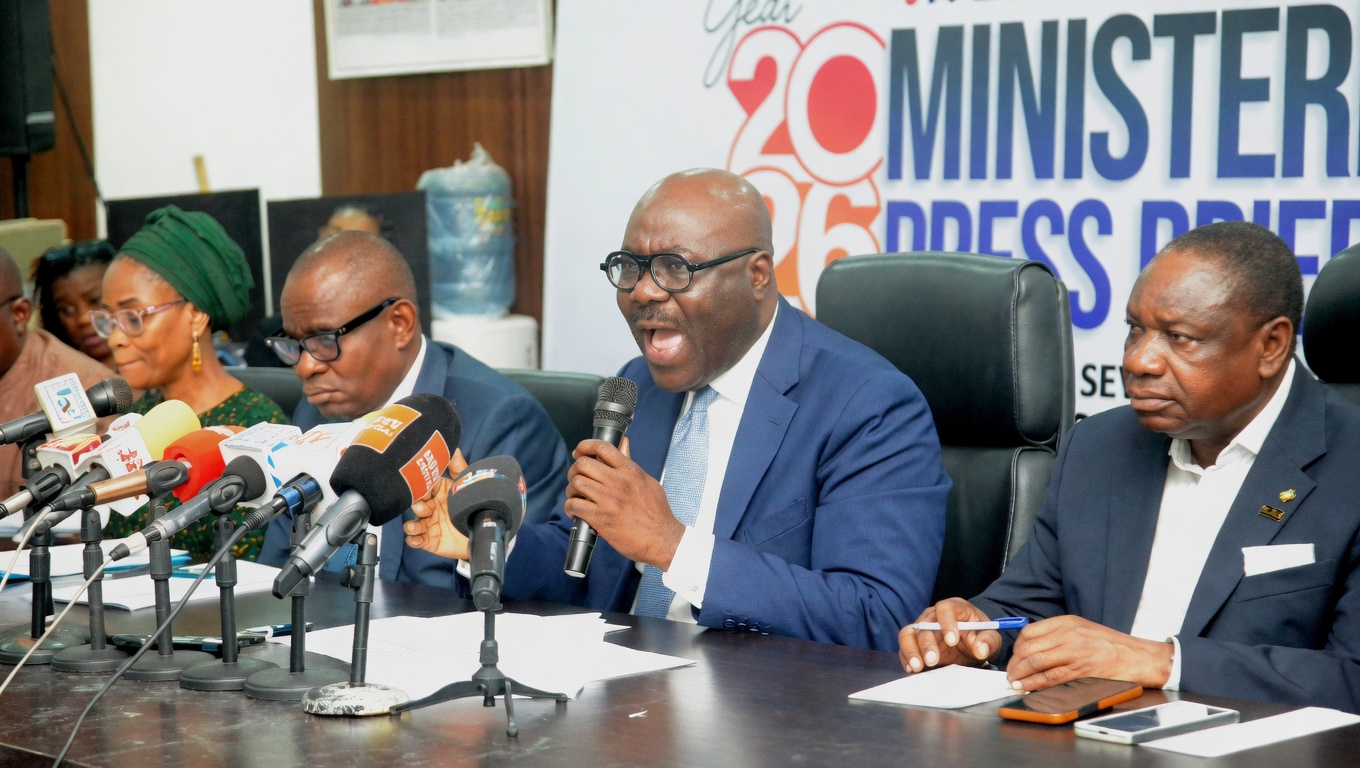
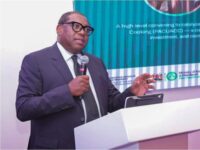
The state’s Commissioner for Finance, Abayomi Oluyomi, disclosed this during the ministerial press briefing marking the seventh year of Governor Babajide Sanwo-Olu’s administration at the Bagauda Kaltho Press Centre, Alausa, Ikeja.
Oluyomi said the state’s total revenue increased from ₦2.3 trillion in 2024 to ₦2.6 trillion in 2025, representing 16 per cent growth, while IGR climbed by 18.5 per cent from ₦1.58 trillion in 2024 to ₦1.87 trillion in 2025.
He also revealed that tax revenue collection recorded a historic leap, rising from ₦678.13 billion in 2023 to ₦1.045 trillion in 2024 — the first time the Lagos State Internal Revenue Service surpassed the ₦1 trillion mark.
According to him, tax revenue further surged to ₦1.443 trillion in 2025, reflecting a 38 per cent increase over the previous year.
Oluyomi attributed the growth to aggressive digital transformation and reforms in tax administration.
“The Lagos State Internal Revenue Service remains focused on broadening the tax base, closing revenue gaps and fostering long-term revenue growth, all essential to funding the state’s expanding urban and infrastructure requirements,” he said.
The commissioner explained that the state upgraded and expanded the LIRS e-Tax platform to include stamp duties, Capital Gains Tax filing integration, geo-tagging, report builder, Corporate Affairs Commission integration and expatriate tracking through the Nigeria Immigration Service integration.
He added that the e-Tax mobile application had been migrated to the cloud to provide more secure access to taxpayer data, while multiple payment channels, including mobile platforms, POS, USSD, WhatsApp and online payment systems, had been strengthened to improve compliance and ease of payment.
Speaking on debt and funds management, Oluyomi said the state maintained strong fiscal discipline and sustainable debt ratios despite executing major infrastructure projects across Lagos.
“The State Government is committed to infrastructure renewal, using a hybrid approach combining medium- to long-term loans and innovative financing mechanisms,” he stated.
He disclosed that Lagos successfully issued a ₦230 billion bond, described as the largest by any Nigerian sub-national government, at a fixed rate of 16.25 per cent to finance projects in health, housing, transportation, agriculture, science and technology, as well as environmental sustainability.
According to him, the state maintained a Debt-Service-to-Revenue ratio of 19.2 per cent, below the 30 per cent fiscal responsibility threshold, while Total Debt-to-GDP stood at 4.11 per cent against the World Bank benchmark of 20 per cent.
Oluyomi further said Lagos earned strong credit ratings from both local and international rating agencies, with Fitch Ratings reaffirming the state’s AAA national rating.
He listed projects funded through bonds and innovative financing initiatives as including the Opebi Link Bridge, Blue Line Rail Phase II, Massey Children’s Hospital, Lagos HOMS schemes, Alaba Rago International Market redevelopment and the construction of a 280-bed multi-specialist Ojo General Hospital.
Despite prevailing global and national economic challenges, Oluyomi said Lagos continued to consolidate its position as Nigeria’s economic powerhouse through strategic fiscal reforms, technology-driven revenue systems and disciplined financial management.






Leave a comment